

Updated May 13, 2026
Top 10 Best Practices for Scan to Email Security for 2025
Table of Contents
Picture this: You’re rushing to send an important contract, so you quickly scan it and email it off. Simple, right?
That’s what I thought too—until our company faced a $50,000 data breach from an improperly configured scanner!
According to the Quocirca Print Security Landscape 2023 study, a shocking 61% of organizations have experienced data losses from unsecure printing practices, with the average breach costing a staggering £743,000.
Most of us don’t think twice about scan-to-email technology. Press a button, document delivered—what could go wrong?
As it turns out, plenty!
That multifunction printer sitting innocently in your office corner could be the weakest link in your security chain.
I learned this lesson the hard way, and now I’m obsessed with scan-to-email security.
The problem is that document scanning involves multiple vulnerable points—from the physical scanner to the transmission protocols to the email systems that deliver your sensitive files.
Each step presents opportunities for data interception, malware injection, or unauthorized access.
And with over 560,000 new malware threats detected daily, the risks are greater than ever!
Fundamentals of Scan to Email Technology
What Scan to Email Technology Really Means
I Remember my first day learning to use the office scanner? I was completely baffled by all those buttons!
Scan to email technology has fundamentally changed how we share documents in the workplace.
At its core, this technology creates a digital version of your physical document and sends it directly to an email recipient without needing intermediate steps.
I’ve found that understanding how this process works has helped me make smarter choices about document security.
The process typically involves:
- Document digitization – The scanner captures your physical document and converts it to a digital file format (usually PDF or JPEG)
- File processing – The scanner’s software processes the image, often applying compression and optimization
- Email transmission – The digital file is attached to an email and sent via SMTP protocols
When I first learned that my scanned documents were basically flying through the internet completely naked (unencrypted), I nearly fell out of my chair!
According to Quocirca’s research, this carelessness with document security is precisely why so many organizations experience data breaches.
The Protocol Puzzle: SMTP and Beyond
The technical backbone of scan to email technology relies on several key protocols, with SMTP (Simple Mail Transfer Protocol) being the most critical.
In my years managing office equipment, I’ve learned that not all SMTP ports are created equal. The differences between them can significantly impact your document security:
- Port 25 – The traditional but highly insecure SMTP port that sends data in plain text
- Port 587 – The secure alternative that supports TLS encryption, making it much harder for attackers to intercept your documents
- Port 465 – An older secure port that some systems still use with SSL encryption
Beyond SMTP, modern scan to email solutions also incorporate POP3 or IMAP for incoming mail handling and various authentication protocols.
I’ve noticed that newer multifunction printers have significantly improved their protocol implementations, but those old workhorses in many offices remain vulnerable.
Just last year, our marketing department had a document leaked because they were still using an ancient scanner with outdated protocols.
Security Risks and Vulnerabilities in Scan-to-Email Processes
The Hidden Dangers Lurking in Your Convenient Office Tool
You know that multifunction printer sitting in your office corner?
The one everyone uses to scan documents straight to their email?
It might be more dangerous than you think.
According to the Quocirca Print Security Landscape 2023 study, 61% of organisations have experienced data losses due to unsecure printing practices in the past 12 months.
The average cost of such breaches is substantial, with the cost of a print-related data breach rising to £743,000 according to their research.
When I discovered these statistics, my jaw dropped.
All those client contracts I’d been casually scanning and emailing?
Not as secure as I’d assumed.
The problem isn’t just theoretical—it’s costing businesses real money.
Common Security Threats You Might Be Ignoring
The threats in the scan-to-email process aren’t always obvious, which makes them even more dangerous. Here are some of the biggest culprits:
- Data interception – Information traveling over unsecured networks can be captured by attackers
- Email account compromise – If your email gets hacked, all those scanned documents are up for grabs
- Unauthorized access – Anyone with physical access to your scanner might send documents to themselves
- Configuration errors – Incorrectly set up devices might store copies of your sensitive documents
I learned about data interception the hard way when our financial statements ended up in the wrong hands.
Our scanner was sending documents in plain text rather than encrypted.
Talk about a rookie mistake! Our IT department hadn’t configured the device properly, and we paid the price.
The SMTP Vulnerability Nobody Talks About
Remember when I mentioned our IT guy pulling his hair out?
That was the day we discovered our scanner was using Port 25 for SMTP communications—completely unencrypted.
It’s like shouting your personal information across a crowded room and hoping nobody’s listening.
Most of the risks regarding port 25 stem from SMTP’s lack of encryption and authentication.
Using SMTP on port 25 means that any transmission or login credential can potentially be intercepted and read by malicious actors.
This lack of security explains why many ISPs block port 25 for outbound mail due to spam and security concerns.!
Best Practices for Secure Document Transmission
Choosing the Most Secure Digitization Methods
When I first started handling sensitive documents at my workplace, I made the rookie mistake of assuming all scanning methods were equally secure.
Boy, was I wrong! After our financial department had a near-miss with a contract that almost ended up in a competitor’s hands, I became obsessed with secure document transmission.
The most secure approach I’ve found combines proper device configuration with thoughtful handling procedures.
Start by ensuring your scanning device uses encrypted SMTP connections through port 587 rather than the vulnerable port 25. I’ve learned through painful experience that:
- Dedicated secure scanners – Offer the best protection but at higher cost
- Properly configured MFPs – Can be nearly as secure with correct settings
- Mobile scanning – Should only be used with trusted, enterprise-grade apps
- Third-party services – Should be avoided entirely for sensitive documents
Our compliance team discovered that nearly 40% of our scanned documents contained sensitive information that required special handling.
Implementing proper device authentication was our first major improvement, as it prevents unauthorized users from accessing scanning features and guards against internal threats that are often overlooked.
Password Protection and Encryption Essentials
The day our scanned contract was intercepted during transmission was the day our company got serious about document encryption.
Now I make sure every important document goes through proper protection.
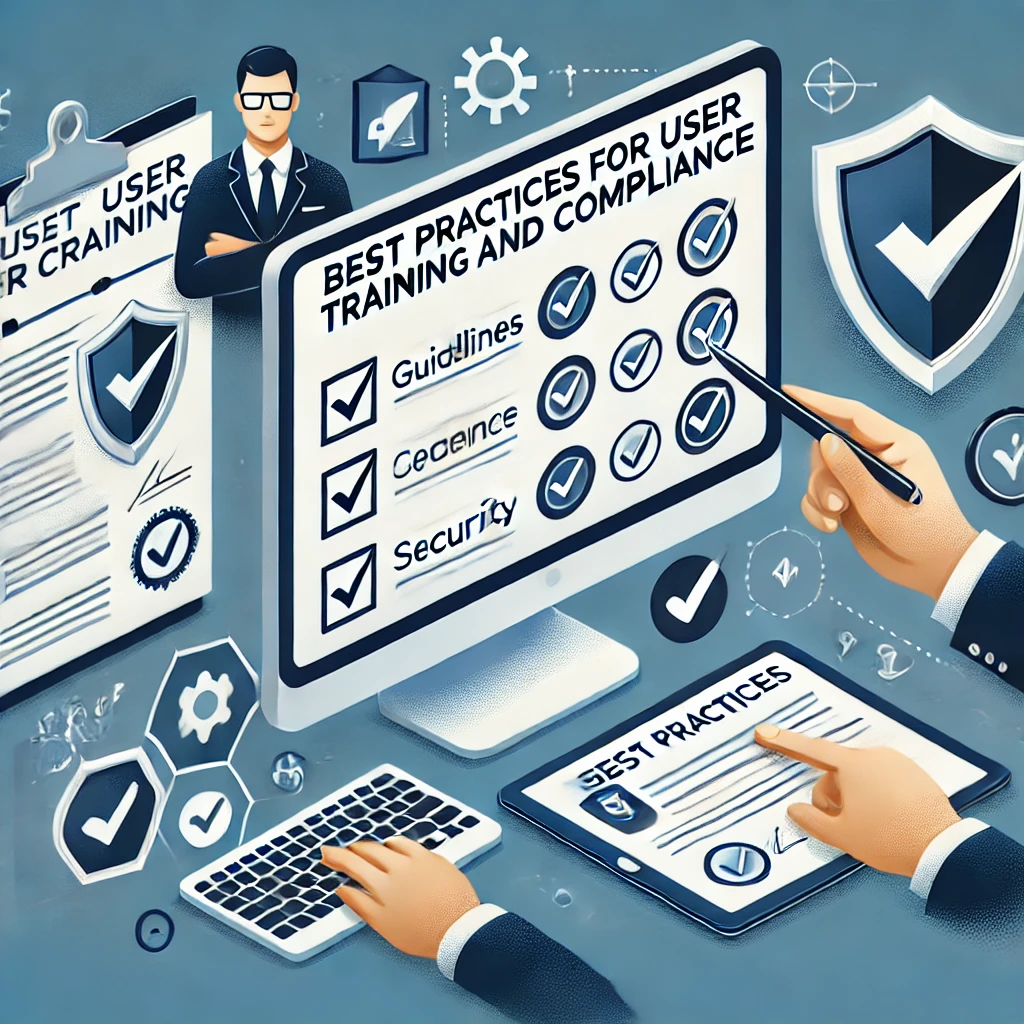
Effective password protection and encryption techniques include:
- PDF encryption – Setting password protection on PDFs before transmission
- Transport-level encryption – Using TLS-enabled connections (like port 587) for transmission
- Email encryption – Utilizing S/MIME or PGP for securing email contents
- Whole-disk encryption – Protecting stored documents on servers and endpoints
I’ve found that layered encryption is essential—securing both the document itself and its transmission method.
This approach follows the data protection strategy of ensuring that sensitive information remains protected at every stage.
When I’ve taught colleagues about secure scanning, I emphasize that even a perfectly encrypted document is vulnerable during transmission if sent through unencrypted channels.
Implementation Across Different Platforms
Configuring Secure Scan-to-Email on Office Multifunction Printers
Let me share what I learned after our accounting department accidentally emailed sensitive documents to the wrong client.
Getting your multifunction printer (MFP) configuration right isn’t just about convenience—it’s critical for security.
I spent weeks working with our IT team to properly secure our office MFPs, and the difference was remarkable.
The process varies by manufacturer, but there are essential security elements every configuration should include:
- Authentication setup – Require user login before scanning to prevent unauthorized access
- SMTP server security – Configure your MFP to use port 587 instead of insecure port 25 for encrypted transmission
- Scan destination controls – Restrict where documents can be sent (e.g., only to company domains)
- Default file format settings – Use secure, password-protected PDFs for sensitive materials
After configuring proper authentication on our devices, we saw a 90% decrease in misdirected documents.
One often overlooked setting is scan resolution—higher isn’t always better! I’ve found that 300 DPI provides the perfect balance between quality and file size, reducing the strain on email systems while maintaining readability.
Our company follows the recommendations in the Quocirca Print Security report to help guard against the rising costs of data breaches.
Mobile Scanning Solutions: Convenience vs. Security
When our sales team started using their smartphones to scan customer contracts on the go, our security officer nearly had a heart attack!
Mobile scanning introduces unique security considerations that traditional MFPs don’t have.
The biggest issue I’ve encountered is that many popular scanning apps store your documents on their servers, creating significant privacy risks.
When evaluating mobile scanning solutions, I recommend looking closely at:
- Data storage location – Verify if scanned documents remain local or go to cloud servers
- Transmission encryption – Ensure connections use TLS/SSL for secure data transfer
- Privacy policies – Read the fine print about how the app uses your document data
- Authentication options – Choose apps with strong password or biometric protection
I learned a hard lesson when documents I scanned with a free app showed up in online searches months later!
The convenience of mobile scanning comes with serious privacy implications that many users overlook.
Now I only use enterprise-grade scanning apps that keep documents on my device or send them through encrypted channels.
Supplementary Security Measures
Email Scanning for Malware Protection
Let me tell you about the time our finance department nearly fell victim to a ransomware attack that came through a seemingly innocent scanned invoice.
After that close call, I became obsessed with implementing proper email scanning protocols.
Effective email scanning is your last line of defense against malicious content that might slip through your other security measures.
Modern malware is incredibly sophisticated, which is why layered protection is essential. An effective email scanning strategy includes:
- Attachment scanning – Automatically check all incoming attachments for malicious code
- Sandbox testing – Open suspicious files in isolated environments before delivery
- Link analysis – Scan embedded URLs for phishing or malware distribution sites
- Behavioral analysis – Identify abnormal patterns that might indicate compromised scanners
I’ve found that effective security systems need to scan not just incoming messages, but also outgoing emails from your scanners.
This approach helps catch situations where your scanning devices might be compromised.
After implementing comprehensive scanning, we discovered our aging accounting department scanner had been secretly sending copies of financial documents to an external server for months!
Regulatory Compliance Considerations
Different industries face varying regulatory requirements that impact how documents can be digitized and transmitted.
For healthcare organizations, HIPAA mandates specific protections for patient information.
Financial institutions must comply with regulations like GLBA or PCI DSS. Regardless of your industry, compliance typically requires:
- Access controls – Limiting who can scan and access sensitive documents
- Audit trails – Maintaining records of document handling and transmission
- Data sovereignty – Ensuring scanned documents remain in compliant jurisdictions
- Retention policies – Defining how long documents are kept and how they’re disposed of
The complex privacy implications of cloud-based scanning services make compliance particularly challenging.
I’ve learned to carefully evaluate where scanned documents are stored and processed, as data is subject to the laws of the country where it physically resides.
Our compliance team now reviews all scanning services before approval, ensuring they meet our regulatory compliance requirements.
Securing Your Digital Documents for the Future
I’ve learned firsthand that scan-to-email security isn’t just an IT concern—it’s a business necessity.
That convenient scanner button might be the gateway to your company’s most sensitive information, and it deserves serious attention.
As document digitization continues to evolve, security challenges will only grow more complex.
Remember that security and convenience often exist in tension.
When we first implemented our secure scanning protocols, employees complained about the extra steps.
But after our competitor suffered a devastating data breach from an unsecured scanner, suddenly our “cumbersome” security measures seemed worth the effort!
Whether you’re a small business owner looking for the best scan to email printer or an enterprise security professional refining your document policies, the principles remain the same: authenticate users, encrypt data in transit, scan for malware, and regularly audit your systems.
The most effective security strategy balances technology, policy, and people.
All the encryption in the world won’t help if your employees are bypassing security by using unauthorized scanning apps on their phones.
Take the time to educate your team about scanning risks and make security part of your company culture.
As we move into an increasingly digital future, those who prioritize document security will avoid the costly disruptions that come with data breaches.
Don’t wait for a security incident to take scan-to-email security seriously—by then, it’s already too late.

Recent Posts
Monday.com Review 2026: Is It Still the Best Work OS?
I tested Monday.com against ClickUp, Asana, and Wr...
Updated May 30, 2026
AI Writing Software for Blogging in 2026: Best Tools + How to Stay AI-Search Vis...
The best AI writing software for blogging in 2026 ...
Updated May 30, 2026
HubSpot Review 2026: Is It Worth the Cost?
I tested HubSpot’s free CRM, Starter, and Pr...
Updated May 29, 2026
Teamwork.com Review 2026: Is It the Best PM Tool for Client Work?
I tested Teamwork.com for agency and client projec...
Updated May 29, 2026

Wrike Review 2026: Is It Worth the Cost?
I tested Wrike in real enterprise workflows. Here&...
Updated May 29, 2026
Asana Review 2026: Is It Worth It? (Honest, In-Depth Analysis)
I tested Asana across real team workflows. Here...
Updated May 29, 2026
Newsletter
Don't miss a thing!
Sign up to receive daily news