

Updated May 1, 2026
Best Printer for Small Law Firm: How to Choose the Perfect Printer
Table of Contents
Finding the best printer for small law firm can feel like searching for a needle in a haystack. You need a machine that prints fast, keeps documents clear, and guards sensitive information—all without eating up your budget.
After testing many models ourselves and hearing from lawyers who rely on their printers every day, we’ve narrowed down the options to those that balance speed, quality, and security in ways that truly matter for legal work.
What you’ll find here are practical recommendations, including the option of a laser printer, that make handling paperwork less of a headache and help keep your office running smoothly.
The best printer for a small law firm in 2026 is a reliable monochrome laser model like the HP LaserJet Pro MFP or Brother HL-L2395DW, both offering fast, sharp printing, low running costs, and essential multifunction features such as scanning and copying. These printers combine durability and efficiency ideal for handling high volumes of legal documents, with wireless connectivity and affordable maintenance suitable for budget-conscious small businesses. While these laser printer models are excellent for general use, firms that occasionally need high-quality color prints might consider an inkjet model like the Canon PIXMA TS6420 for vibrant outputs.
Disclaimer: If you buy something using the links in this article, I may receive a commission at no extra cost to you.
Know that I only promote stuff that I use and trust for the sake of my readers and the reputation of this site.
Best Printer for Small Law Firm
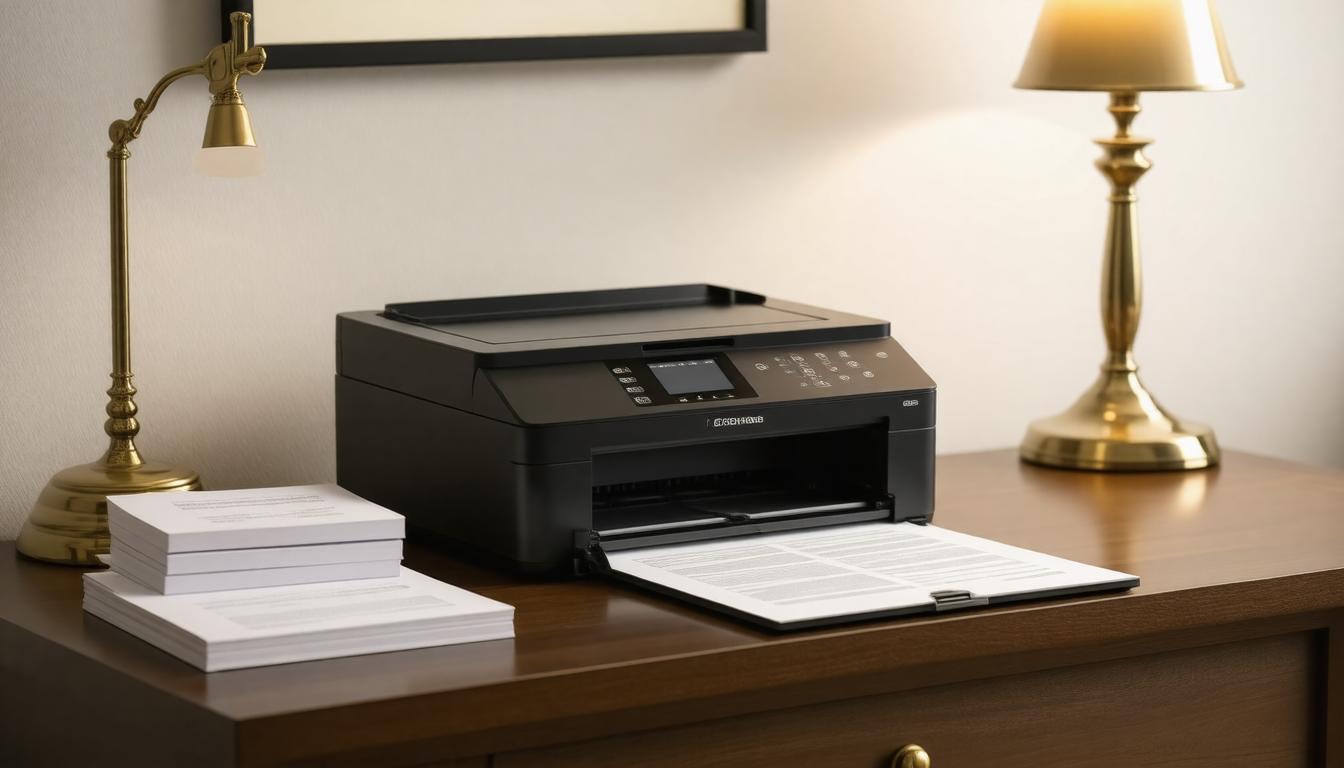
In our experience selecting printers for small law offices, two stand out prominently for meeting the most critical needs: the HP LaserJet Pro MFP and the Brother HL-L2395DW. The HP LaserJet Pro has carved a reputation due to its remarkable printing speed—up to 40 pages per minute—which means less waiting during busy days full of motions, affidavits, and contracts.
Beyond speed, its robust monthly duty cycle ensures it won’t falter under heavy usage, a real asset when print demands soar unexpectedly.
Many legal professionals prioritize print clarity because smudged or unclear documents can reflect poorly in court or client meetings. The HP LaserJet delivers crisp text and defined graphics, elevating the professionalism of every printed page.
According to a testimonial from a practicing attorney, “Our firm switched to the HP LaserJet Pro MFP last year, and it has been a game-changer. We save time and the print quality is exceptional.” Such endorsements highlight how essential these features are in real-world law office settings.
Meanwhile, the Brother HL-L2395DW offers reliable performance with slightly slower speeds but integrates multifunction features including scanning and copying—a boon for firms where multifunction capability streamlines document handling.
Its wireless functionality allows easy placement anywhere in the office without tangled cords interfering with desks or consultations.
Versatility is another factor we consider crucial in small practices. Although monochrome printing dominates legal work, occasional color output is often necessary—whether highlighting exhibits or illustrating charts in presentations.
The Canon PIXMA TS6420, an inkjet option, fills this niche well. While slower at 15 pages per minute, it excels in producing vibrant color prints that complement more formulaic black-and-white documents, serving as a perfect supplementary device for law firms.
| Printer Model | Print Speed (ppm) | Key Features | Suitability |
|---|---|---|---|
| HP LaserJet Pro MFP | 40 | High speed, high duty cycle | Heavy volume legal printing |
| Brother HL-L2395DW | 36 | Multifunction, wireless connectivity | Document management efficiency |
| Canon PIXMA TS6420 | 15 | High-quality color prints | Occasional color printing needs |
Cost considerations come hand-in-hand with feature assessment. Firms must weigh not only initial purchase prices but also ongoing expenses such as toner or ink replacements, maintenance kits, and potential downtime costs.
Printers like the HP LaserJet Pro, a leading choice among laser printer options, prove economical over time thanks to efficient toner use and low failure rates—directly influencing total cost of ownership across several years.
Security stands as another cornerstone in choosing office printers today. With increasing concerns around confidential client data, many printers now incorporate advanced security protocols like encrypted printing and user authentication.
Choosing the right laser or inkjet printer with these features helps ensure that sensitive information, including a substantial amount of client details, remains protected from potential breaches.
Both HP and Brother have made strides here, aligning well with ethical obligations lawyers face regarding document confidentiality, which can extend beyond printing to include copier functionalities that ensure sensitive documents are managed securely.
Balancing speed, quality, multifunctionality, cost efficiency, and security defines the printer selection process for small legal practices.
Understanding these priorities naturally leads us to examine the specific features that become indispensable in daily legal work environments, where copiers play a crucial role in document management.
The amount of paperwork handled daily can greatly influence the choice of equipment, emphasizing the need for reliability and efficiency.
Must-Have Features for Legal Practices
In your line of work, printing isn’t just about putting ink on paper — it’s about producing professional, clear, and confidential documents quickly and reliably. We need printers that don’t just deliver pages fast but do so with precision. That means a high-speed printing capability is fundamental.
When handling case files or client contracts that can stretch into hundreds of pages, every minute counts. For instance, a printer that offers at least 30 pages per minute keeps up with our often intense workloads without frequent pauses, helping prevent bottlenecks during hectic days.
The printer’s capacity to handle a significant amount of output efficiently can make all the difference in demanding situations.
But speed alone won’t cut it if the output looks smudged or unclear.
This is where high-resolution printing comes in. A resolution of 1200 by 1200 dots per inch (dpi) or higher ensures text appears crisp and easy to read — critically important when you’re dealing with fine print or detailed legal language that must withstand scrutiny.
After all, legibility isn’t negotiable in legal documentation; poor print quality risks misinterpretation and delays. Given the amount of detail often present in legal documents, clarity is non-negotiable.
Your documents frequently contain sensitive information, making security features an absolute necessity. We’ve learned to prioritize printers equipped with encrypted print jobs and user authentication protocols.
These safeguard confidential client data from unauthorized access — a feature especially vital in legal settings where breaches can carry serious ethical and legal repercussions. Whether through secure print release codes or network encryption, these features provide peace of mind and compliance with privacy standards.
The amount of data secured with these features adds a critical layer of protection.
Another practical consideration is multifunctionality. Printers that combine scanning, copying, and faxing capabilities help us consolidate office equipment, saving both space and costs. However, while multifunction models offer convenience, we’ve noticed they sometimes trade off speed or durability compared to dedicated devices.
So, it’s wise to balance these aspects based on your specific office demands, where using a reliable copier can enhance efficiency. The amount of tasks handled by multifunctional printers further streamlines our processes and improves overall workflow.
In addition, paper handling capacity significantly impacts workflow efficiency. Imagine having to refill paper trays multiple times the moment you start a large print job — frustrating and time-consuming.
Opting for a printer with a high-capacity input tray (250 sheets minimum) means fewer interruptions and a smoother operational tempo during important printing tasks. Having the ability to manage a large amount of paper without constant supervision enhances productivity.
| Feature | Why It Matters | Ideal Specification |
|---|---|---|
| Print Speed | Keeps up with heavy legal document loads | At least 30 ppm black & white |
| Print Resolution | Ensures clear text & fine detail | Minimum 1200 x 1200 dpi |
| Security Features | Protects confidential information | Encrypted printing; user authentication |
| Multifunctionality | Saves space and consolidates tasks | Scan, copy, fax capabilities |
| Paper Capacity | Reduces interruptions during long jobs | ≥ 250 sheet input tray |
By integrating all these elements — speed, clarity, security, versatility, and volume capacity — into your choice of printer, you’re not just purchasing hardware; you’re investing in tools that uphold the professionalism and efficiency your legal practice demands daily, with the copier playing a vital supporting role.
Recognizing the amount these features contribute is key to maintaining seamless operations and meeting the standards your profession upholds.
These essential features set the stage for evaluating specific printer models tailored to demanding legal workflows. Turning now to affordability and economy, it’s critical to consider how cost-efficient options perform without sacrificing the quality required in legal settings.
When choosing a printer, cartridges play a vital role in determining long-term costs and efficiency.
Cost-Efficient Printer Options
Not every firm has the luxury of an unlimited budget, yet printing needs remain high, especially given the volume of documents legal work demands. Here, choosing a printer with a reliable copier function ensures that these demands are met without exceeding financial constraints.
Thankfully, cost-efficient printers deliver robust performance without draining financial resources. What makes these options valuable is their ability to combine affordability with features that support daily operations—like wireless connectivity, compact design for space-saving, reliable print quality, and reasonable running costs that keep expenses manageable over time.
The type and cost of cartridges used can further influence these running costs, making it essential to evaluate cartridges’ price and availability.
Cost efficiency in printers isn’t just about the upfront price. Long-term expenses tied to ink or toner refills can sometimes exceed the initial investment. Some models stand out by offering low-cost consumables or refill systems designed to stretch those costs practically.
For instance, compact printers with refillable ink tanks dramatically reduce per-page expenses, adding up significantly across hundreds or thousands of legal documents printed monthly. Opting for models with economical cartridges can contribute significantly to cost savings.
| Model | Cost (Approx) | Key Features | Running Cost/Page |
|---|---|---|---|
| Brother HL-L2395DW | $200 | Wireless, flatbed scan/copy | $0.03 |
| Canon PIXMA TS6420 | $150 | Excellent photo quality | $0.10 |
| Epson EcoTank ET-3760 | $300 | Low refill cost, wireless | $0.01 |
The figures show how drastically running costs vary—from as low as one cent per page for an EcoTank model to ten cents for a photo-oriented Canon. This difference translates immediately into real savings when multiplied over thousands of prints.
Choosing a printer with lower ongoing costs often pays off quicker than simply opting for the cheapest upfront purchase price when considering compact models that fit perfectly into small office spaces.
Evaluating the cost of cartridges in this purchasing decision remains crucial in the context of overall savings.
Moreover, analyzing your firm’s specific printing habits helps pinpoint which features matter most—whether duplex printing to save paper or Wi-Fi capabilities that let multiple users connect seamlessly.
Beyond numbers, ease of use, compactness, and reliability make all the difference; consistent output with minimal downtime contributes to smoother workflows and fewer headaches. Cartridges designed for easy replacement minimize interruptions and aid in maintaining a seamless workflow.
Our best approach involves weighing these factors carefully: looking beyond sticker price to evaluate total ownership costs combined with practical features tailored for legal work—including secure printing options.
This might mean spending slightly more initially but gaining a much better return through durable equipment and economical consumables that support daily demands efficiently, especially those in compact designs to maximize office space.
Choosing efficient cartridges ensures that running costs remain low while supporting high-volume demands.
Understanding the delicate balance between cost and functionality lays a strong foundation as you prepare your office environment for efficient operation.
Moving forward, it’s crucial to consider how setup processes and ongoing support impact your overall productivity and peace of mind. Selecting printers with affordable cartridges is one aspect of achieving this balance.
Setup and Support Essentials
Setting up a printer should never feel like opening a can of worms, especially when you’re balancing client demands and court deadlines. A simple, straightforward installation sets the tone for stress-free print management, with compact printers ensuring easy setup in limited spaces. The inclusion of readily available cartridges should also be considered as part of this seamless experience.
That’s why we always recommend choosing printers that come with clear, well-illustrated setup guides — not just written manuals but also video tutorials.
These resources break down the process into digestible steps, guiding us through things like connecting to Wi-Fi networks, compact placement in offices, or installing drivers on various operating systems.
Additionally, instructions on how to install and replace cartridges efficiently can enhance the user experience by minimizing setup time and maintenance interruptions.
For small law firms juggling Windows, macOS, or even Linux computers, compatibility and ease of software installation are crucial. When everything runs smoothly, it significantly eases the daily operations in a bustling office.
Our experience shows that brands like Brother and HP excel here. Their setup software often features automated network detection and driver installation which minimizes our fiddling around.
This approach reduces user error and speeds up getting the printer online and ready to work, ensuring everything is seamless from start to finish.
Plus, these companies usually bundle detailed PDFs alongside videos so whether we prefer reading or watching, we’re covered on everything we need to know about setup and troubleshooting.
While an intuitive setup is a timesaver, having reliable backup matters just as much once printing begins. Everything must function flawlessly to prevent stalls.
When questions or glitches arise—whether it’s trouble connecting multiple devices or unexpected paper jams—robust customer support becomes our safety net, ensuring everything is in place for uninterrupted productivity.
Knowing that we can call or chat with support professionals who understand legal office printing nuances without long holds or scripted responses saves both time and frustration.
It’s comforting to know that these support teams are highly compatible with our needs and ready to assist promptly with everything we encounter.
Many top printer manufacturers offer 24/7 phone support or live chat during extended hours and promise rapid email response times within 24 hours.
These services are compatible with the demanding schedules of legal offices and ensure we never miss a deadline due to printer issues, keeping everything on track.
One small firm shared their experience: “When our Brother printer refused to connect after a routine update, customer service set up a remote session within minutes and had us printing again swiftly.”
Stories like this underscore how valuable responsive, knowledgeable, and compatible assistance is when every minute counts and everything is on the line.
To ensure smooth operation, here’s what we look for in support offerings: everything from rapid response times to knowledgeable and empathetic support with adept understanding of our needs.
- Availability: Around-the-clock access or at least broad coverage during business hours.
- Multiple channels: Phone, live chat, email, and remote assistance options.
- Comprehensive troubleshooting tools: Built-in diagnostics paired with easy-to-follow guidance.
- Support satisfaction: High user ratings indicating effective problem resolution.
In choosing a printer for your law office, don’t overlook the compatible support ecosystem. Sometimes the best hardware can falter without real backup; selecting brands with proven track records means fewer headaches during critical periods, ensuring everything functions optimally when needed most.
Moving forward from setup and support essentials, understanding connectivity options will further streamline your printing workflow in bustling small law firms, ensuring everything operates with effortless efficiency.
Performance and Connectivity Insights
In our experience supporting small law firms, reliable performance is not a luxury but an absolute necessity. Printers in these environments can’t afford to stall when a quick turnaround on documents—contracts, court filings, or discovery materials—is required. That’s why print speed and quality are key factors to consider.
Printers like the HP LaserJet Pro M404dn or Brother HL-L6400DW offer black-and-white print speeds ranging from 40 to 48 pages per minute, which keeps pace with demanding office work without sacrificing sharpness.
The ability to handle large monthly volumes, up to 80,000 to 100,000 pages, means these machines rarely feel overwhelmed even during peak workloads, ensuring that everything remains efficient and operational.
Beyond speed, print resolution directly affects document clarity—a critical point when printing legal letters or scanned evidence, making sure everything is legible and professional. Resolutions around 1200 x 1200 dpi are common in top models and provide crisp text and clear graphics.
These details matter because a blurred or smudged page isn’t just inconvenient; it can look unprofessional in client presentations or court submissions.
Of course, performance doesn’t stand alone; connectivity holds equal weight in determining how efficiently a printer integrates into a bustling office. Ensuring that connectivity options are compatible with the office’s technological setup is crucial for optimal efficiency.
Wireless connectivity has transformed how small law offices operate by reducing cable clutter and enabling flexible placement of printers within tight office spaces.
Features like Wi-Fi Direct mean staff don’t need to connect through a central router for quick job submissions, enhancing productivity, especially when multiple users share one device. Bluetooth options add even more versatility for occasional mobile printing needs.
Recent studies show that around 85% of small law firms choose wireless-capable printers for these reasons. They appreciate not only the convenience but also the simpler installation process wireless models typically provide.
Having the ability to print directly from smartphones or tablets via Apple AirPrint or Google Cloud Print adds another layer of ease and demonstrates compatibility with modern technology preferences.
Yet, we’ve also learned that network reliability plays a crucial role here: slow Wi-Fi or frequent disconnections can cause frustration and delays far worse than those caused by slower printers.
To mitigate this risk, some offices opt for hybrid setups where printers connect via Ethernet for stability while retaining wireless capabilities for flexibility.
| Feature | Detail |
|---|---|
| Print Speed (B&W) | 40–48 pages per minute suitable for heavy document printing |
| Print Resolution | 1200 x 1200 dpi ensuring sharp text and detailed images |
| Monthly Duty Cycle | Up to 100,000 pages accommodating high-volume needs |
| Wireless Options | Wi-Fi Direct, Bluetooth for seamless multi-user access |
| Mobile Printing Support | Apple AirPrint, Google Cloud Print, Mopria Print Service |
| Connection Stability | Recommended Ethernet fallback to reduce latency and disconnections |
Choosing the right printer balances dependable speed with robust connectivity features tailored to your firm’s workflow. Investing in devices that prioritize low latency connections and high duty cycles ensures that your office keeps running smoothly without interruption.
We advise regular monitoring of network performance along with routine printer maintenance. Strong initial setup combined with ongoing care minimizes downtime—helping your team focus on what really matters: the law.
Understanding these technical elements sets the stage to appreciate how specific features can further streamline your day-to-day printing needs without compromise.
Duplex Printing Capabilities
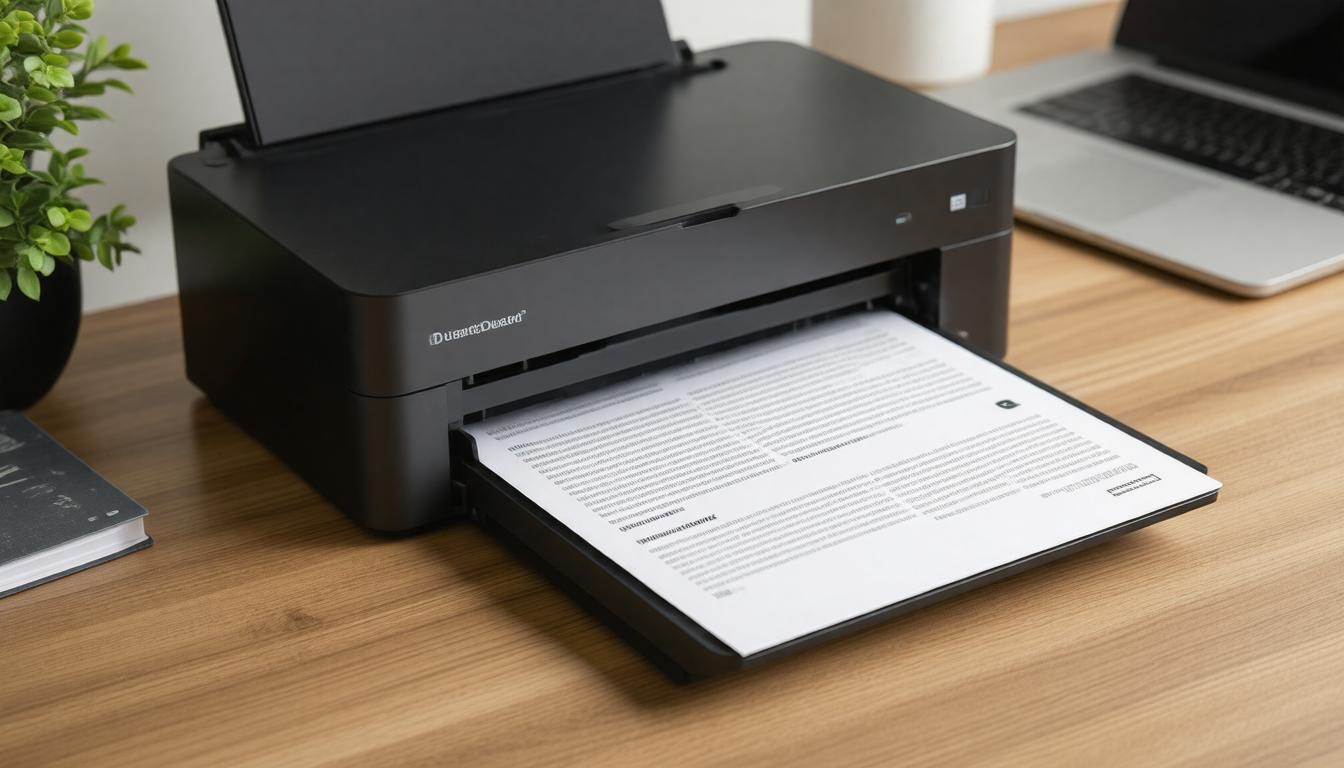
Duplex printing, the ability to print on both sides of a sheet automatically, is far more than just a feature that saves paper. In small law firms, where we handle reams of documents—from contracts to case files—this capability becomes a cornerstone for operational efficiency.
By cutting paper use almost in half, duplex printers significantly lower material costs over time. This isn’t merely a financial saving; it’s also an environmental commitment that aligns with modern office values seeking sustainability without compromising productivity.
Studies show that duplex printing can reduce paper consumption by up to 50%. If we imagine a small legal office printing thousands of pages monthly, that percentage translates into impressive yearly savings—not only in paper but also in storage space and waste disposal costs.
Furthermore, using less paper means reducing demand for its production, which involves deforestation and heavy water usage. These environmental benefits often go unnoticed but are important pieces in the larger puzzle of corporate responsibility.
Beyond cost and conservation, duplex printing improves workflow. Think about the simple task of compiling and reviewing documents: when papers come out double-sided and neatly stacked, file handling becomes more straightforward.
It reduces bulk dramatically, making physical copies easier to organize and transport. For law offices frequently sending documents to clients or courts, this convenience is invaluable—not to mention the professional appearance such tidy printouts offer.
Consider the Brother HL-L2395DW, widely recommended for small businesses and home offices alike. It features automatic duplex printing that works silently in the background while we focus on more critical tasks.
Instead of manually flipping pages—a mundane chore prone to errors and slowdowns—this printer handles two-sided jobs seamlessly. The time saved might seem minor per print job but multiply it by daily use across several weeks or months, and it becomes substantial.
When picking out printers for legal offices, ensuring automatic duplex functionality should be high on the checklist. Models like the HP LaserJet Pro M404dw and Canon imageCLASS LBP226dw boast fast duplex speeds with commendable print quality.
However, understanding not all duplex mechanisms are created equal helps choose wisely: some printers offer faster duplexing with less chance of paper jams or misfeeds, whereas budget alternatives may compromise reliability during long print runs.
| Printer Model | Duplex Printing Speed (ppm) | Cost Per Duplex Page | Monthly Duty Cycle | Suitable For |
|---|---|---|---|---|
| Brother HL-L2395DW | ~20 ppm | $0.025 | 15,000 pages | Small Offices/Home Use |
| HP LaserJet Pro M404dw | 18 ppm | $0.03 | 80,000 pages | Small Law Firms |
| Canon imageCLASS LBP226dw | 20 ppm | $0.028 | 80,000 pages | Medium Intensity Use |
From this data, duplex printing speed varies but generally hovers near single-sided rates sufficient for high-volume workloads typical of law firms. Coupled with low cost per page—around two to three cents—it’s clear these printers balance efficiency with affordability well.
Our choices lean toward those offering reliable duty cycles to withstand frequent use without excessive maintenance interruptions.
While duplex printing stands out for its practical advantages, pairing it with solid connection options ensures smooth integration into busy office environments where every second counts—and every sheet saved matters both financially and environmentally.
Scanner Integration Benefits
When we talk about scanner integration in printers for small law firms, it’s not just about having one device that performs multiple tasks. It’s a fundamental shift in how we handle documents, transforming the workflow from cumbersome paper shuffling to streamlined digital management.
Scanners built into these multifunction printers enable rapid digitization of contracts, pleadings, and client files, which is essential since legal work demands both physical originals and accurate digital copies.
What makes this integration particularly valuable is the combination of speed and quality. Many top-rated printers now feature scanners with resolutions up to 1200 x 1200 dpi, like the Epson EcoTank ET-3760.
This level of detail ensures that every signature, stamp, or fine print on a document is clearly captured. That means less time fussing over illegible scans or rescanning entire stacks — a huge relief when deadlines loom.
Another aspect to consider is the batch scanning capability. Legal professionals often deal with multi-page contracts and voluminous case files, so having a document feeder that handles 50 to 100 sheets saves significant time.
With duplex scanning—scanning both sides automatically—we can halve the process time without lifting a finger.
We strongly advise choosing models that support TWAIN and WIA drivers, as they seamlessly connect with popular legal document management software such as Clio or NetDocuments.
This compatibility means scanned documents flow directly into the systems lawyers use daily, reducing manual sorting or renaming tasks that drain productivity.
Moreover, integrated scanners help reduce errors through Optical Character Recognition (OCR) technology. This translates scanned images into editable, searchable text files—cutting down typing mistakes and speeding up document retrieval.
Studies indicate OCR can reduce manual data entry errors by up to 35%, a significant safeguard for legal accuracy where precision is paramount.
We’ve also noticed that multifunction printers with scanners reduce equipment costs by eliminating need for separate machines. Law firms save on space and maintenance budgets while benefiting from consolidated devices designed for intensive use.
This “all-in-one” convenience aligns well with small law firms’ needs—efficient, reliable, and budget-conscious.
However, it’s important to recognize that scanner performance varies by model; some offer flatbed scanning ideal for fragile or bound documents, while others prioritize speed with automatic feeders.
Knowing what kind of documents dominate your practice will guide you in selecting the right features.
To maximize benefits from scanner integration:
- Prioritize high optical resolution (600 dpi minimum) for clear text
- Opt for large sheet capacity feeders to handle bulk scans effortlessly
- Ensure software compatibility with your existing case management system
- Look for reliable OCR support to convert images into editable files quickly
- Consider maintenance ease and replacement part availability, since uptime matters
Investing time upfront in choosing the right scanner-integrated printer pays dividends in everyday efficiency—and lets us spend more time focused on clients rather than paperwork logistics.
With these practical benefits in mind, understanding which companies provide dependable options helps ensure any investment meets the demanding needs of a busy law office.
Let’s turn next to explore trusted manufacturers leading innovation and reliability this year.
Trusted Printer Brands for 2026
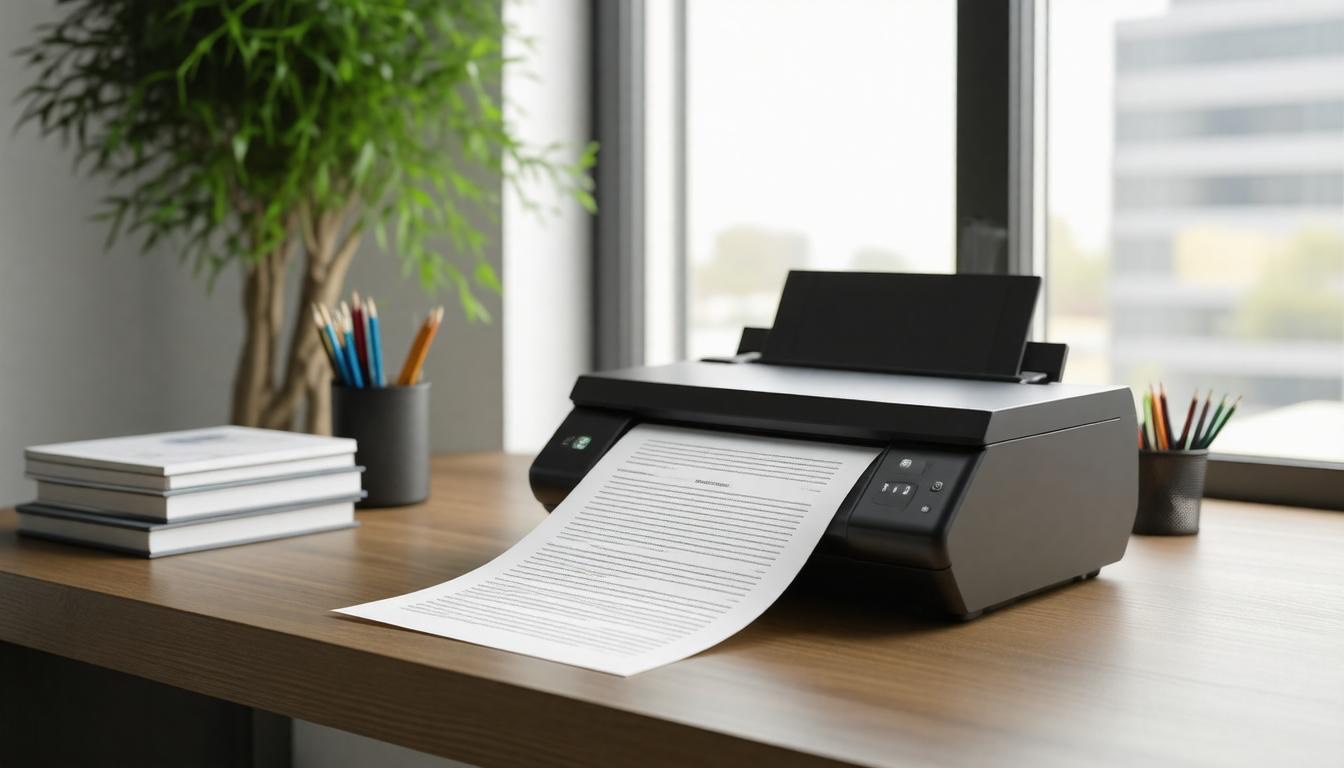
Trust is the foundation of any professional relationship — and that applies just as much when we select technology tools for our law practice.
When it comes to printers, brands like ***HP***, ***Brother***, and ***Canon*** stand out not just because they offer solid print quality, but because they’ve earned a reputation over years for durability and reliable customer support.
These names have built their presence by consistently meeting the demands of busy offices where downtime can mean lost billable hours or delayed filings.
Take HP, for instance. They combine cutting-edge features with vast service networks, meaning that if something does go wrong, help is often just a call or online chat away.
Their extended warranties and optional service plans give peace of mind when investing in a device expected to handle hundreds of pages daily.
Similarly, Brother impresses with machines that balance speed and cost-efficiency—two factors crucial for small law firms needing to process large volumes without breaking the budget.
Meanwhile, Canon offers excellent image clarity alongside dependable mechanics, especially suited for firms where scanning high-resolution legal documents is routine.
We’ve heard from many professionals who share how these trusted brands perform in day-to-day practice. One anonymous user said,
“Our Canon printer has been running without issues for over five years. The warranty service is also exceptional—fast response and effective repairs.”
Stories like this show us how choice of brand can directly impact office workflow stability and maintenance costs long term.
When selecting a printer, consider not only its feature set but also *the ecosystem* each brand cultivates—software updates, driver support, and customer service responsiveness can vary widely.
For instance, buying from an established brand often means better compatibility with popular legal software used in document management or billing systems.
Together, these trusted manufacturers provide a reliable backbone for any small law firm seeking printers that can endure regular high use without frequent disruptions.
While newer or lesser-known brands might tempt with lower upfront costs, investing upfront in proven dependability pays dividends in reduced stress and fewer interruptions down the road.
Having covered why brand trust matters, we next explore what specific printer features align best with the unique pressures faced by small legal offices in 2026.
Choosing a trusted printer brand is more than a purchase—it’s an investment in your firm’s efficiency and reliability. Prioritizing proven performance will keep your office running smoothly amidst the demanding pace of legal work.

Recent Posts
Monday.com Review 2026: Is It Still the Best Work OS?
I tested Monday.com against ClickUp, Asana, and Wr...
Updated May 30, 2026

AI Writing Software for Blogging in 2026: Best Tools + How to Stay AI-Search Vis...
The best AI writing software for blogging in 2026 ...
Updated May 30, 2026
HubSpot Review 2026: Is It Worth the Cost?
I tested HubSpot’s free CRM, Starter, and Pr...
Updated May 29, 2026
Teamwork.com Review 2026: Is It the Best PM Tool for Client Work?
I tested Teamwork.com for agency and client projec...
Updated May 29, 2026
Wrike Review 2026: Is It Worth the Cost?
I tested Wrike in real enterprise workflows. Here&...
Updated May 29, 2026
Asana Review 2026: Is It Worth It? (Honest, In-Depth Analysis)
I tested Asana across real team workflows. Here...
Updated May 29, 2026
Newsletter
Don't miss a thing!
Sign up to receive daily news