 Tracy Jackson15 yrs in online marketing
Affiliate Marketing for Beginners: How to Start in 2026 (Step-by-Step)
Table of Contents
Disclosure: This guide contains affiliate links. If you buy through them I may earn a commission at no extra cost to you — I only recommend tools I’ve actually used.
Affiliate marketing for beginners comes down to one honest idea: you recommend products you trust, and you earn a commission when someone buys through your link. No inventory, no product of your own, no big audience required to start. What it does take is patience — and most guides won’t tell you that part.
I’ve been doing this for years and reviewing the tools with my own money, so here’s the deal: this is the realistic version. Call it affiliate marketing for dummies if you like — I just call it the honest beginner’s guide I wish I’d had. I’ll show you the 7 steps to start, what you can actually earn (and when), and the beginner mistakes that quietly kill most people’s progress. US affiliate spending is on track for roughly $13 billion in 2026 (Statista, via Post Affiliate Pro), so the opportunity is real — but only if you treat it like the long game it is. If you’re building the content side, my guide to creating content with AI tools pairs well with what follows.
| Quick answer: how to start affiliate marketingPick a specific niche you know something about, join a beginner-friendly affiliate program (Amazon Associates or Awin are easy starts), create genuinely helpful content that answers buyer questions, and embed your affiliate links naturally. Disclose them, build an email list, and stay consistent. Most beginners earn their first commissions within 3–6 months. |

What is affiliate marketing?
Affiliate marketing is a way to earn money online by promoting another company’s product and earning a commission on each sale you refer. You get a unique tracking link; when someone clicks it and buys, you earn a percentage. That’s the whole model — you’re a trusted middleman who gets paid for the recommendation.
It works because it’s win-win-win: the company gets a sale it wouldn’t have made, the buyer gets a product they wanted, and you earn for connecting them. Commissions range widely — physical goods often pay 3–10%, while digital products and software can pay 30% or more. That spread is why niche choice matters so much, which is exactly where we’ll start.
How to start affiliate marketing for beginners: the 7 steps
Here’s the whole path, start to finish. Don’t just read it — the people who succeed are the ones who actually do step one this week instead of researching forever.

Step 1: Choose a specific niche
Your niche is the topic you’ll build everything around — and the single biggest beginner mistake is picking one that’s too broad. “Making money online” is impossibly competitive; “budgeting apps for freelancers” is winnable. Specific beats broad every time, because a focused audience trusts a focused expert.
Pick something you genuinely know or want to learn about, and — this is the part beginners skip — make sure it has buyer intent. People searching “best budgeting app for freelancers” are ready to buy; people searching “what is a budget” are not. Aim where the money already is.
One quick test I use: can you picture the specific product you’d recommend and the exact person who’d buy it? “Home coffee gear for people leaving expensive cafe habits” passes — you can see the espresso machine, the buyer, and the problem. “Coffee” fails. The narrower you go, the less you compete with billion-dollar sites, and the easier it is to sound like a real person who knows the topic.
Step 2: Join beginner-friendly affiliate programs
An affiliate program is how you get your links and get paid. As a beginner, start with programs that approve newcomers easily and cover lots of products. Amazon Associates is the classic first pick — nearly every product category, and buyers already trust the checkout.
Awin is the other strong starter, a global affiliate network hosting thousands of individual programs you can browse and join in one place. (If you remember ShareASale, that’s the same network now — it merged into Awin in 2025.)
From there, branch into programs that fit your niche. ClickBank specializes in higher-commission digital products, CJ and eBay Partner Network cover huge retailer catalogs, and freelancer or service tools like Fiverr run their own programs. Pick two or three to start — not ten.

Step 3: Build your own site
You can promote links on social media or YouTube, but a website you own is the durable play — it’s the one platform an algorithm can’t take away from you. Setting one up is cheaper and easier than most beginners expect: register a domain, get hosting, install WordPress, done in an afternoon.
For domains I use Namecheap; for beginner hosting, Bluehost and Cloudways are both solid, affordable starting points. If you want the full walkthrough, my step-by-step guide to starting a blog covers the whole setup. Owning your platform here on bytracyjackson.com is exactly how I built this site into something that earns.

Step 4: Create content that converts
This is where you actually earn. The content that converts for affiliates falls into three buckets, all driven by buyer-intent keywords — the words people type when they’re close to purchasing:
- Reviews: “[Product] review” — readers searching this are deciding whether to buy. Be honest, including the downsides; it’s what builds the trust that sells.
- Comparisons: “[Product A] vs [Product B]” — high buyer intent, because the reader has narrowed it to two and just needs a tiebreaker.
- How-to / best-of: “Best [product] for [use case]” or “how to [achieve outcome]” — helpful content that naturally recommends the tools you use.
Whatever you write, lead with genuine help, not the link. The recommendation should feel earned by the time the reader reaches it.
Step 5: SEO and AI search (GEO)
SEO is how people find your content in Google — you target the buyer-intent keywords from step 4 and structure articles to answer them clearly. But in 2026 there’s a second layer: AI search. Buyers now ask ChatGPT, Perplexity, and Gemini for recommendations, and you want to be the source those engines cite.
The good news is the same habits win both: answer the question directly and early, back claims with sources, and structure content so it’s easy to quote. This is generative engine optimization (GEO), and most beginners haven’t caught on yet — which is exactly why it’s worth doing now. Write the genuinely helpful, honest content Google’s helpful-content system rewards, and you’re already most of the way there.
Step 6: Build an audience and email list
Traffic that comes once and leaves doesn’t compound. An email list does — it’s the one audience you own outright, and it’s where a lot of affiliate income actually gets made. Start collecting emails the day you launch, even if it’s just a handful.
A tool like GetResponse handles the list, signup forms, and automated welcome emails without much fuss. When you publish a new review, you tell your list — warm readers who already trust you convert far better than cold search traffic ever will.
Step 7: Disclose your links and stay compliant
In the US, the FTC requires you to clearly disclose affiliate relationships — a plain line at the top of any page with affiliate links, telling readers you may earn a commission. It’s not optional, and honestly, it builds trust rather than costing you sales.
Keep it simple: a visible disclosure, honest recommendations, and records of your earnings for tax time. Affiliate income is taxable, so set a little aside as you grow. I’m not a lawyer or accountant — check your local rules — but a clear disclosure and basic bookkeeping cover the essentials for most beginners.

What to realistically expect (the honest part)
Most guides promise “passive income while you sleep” and skip the timeline. Here’s the straight version, because managing your expectations is what keeps you from quitting at month three — which is when most people quit.
- Months 1–3: Learning and building. You’re setting up your site, publishing your first content, and earning little to nothing. This is normal — don’t panic.
- Months 4–6: First commissions. Small ones — your content starts ranking and converting. Most beginners see their first real commissions in this window.
- Months 6–12: Growth. As traffic and trust compound, income climbs. A realistic first-year target is $200–$800 a month by around month 9 or 10.
That $200–$800 range is meaningful supplemental income, not an instant salary replacement (Sellvia, 2026). The affiliates who hit four and five figures a month are real, but they’re usually three-plus years in, in high-commission niches. Treat year one as building the asset, and the compounding takes care of year two.

Beginner mistakes to avoid
Most beginners fail for the same handful of reasons. Sidestep these four and you’ve already beaten most of them:
- Chasing keywords that are too competitive: Going after “affiliate marketing” or “best laptop” as a new site is a losing fight. Target specific, long-tail, buyer-intent terms instead.
- Prioritizing traffic over buyer intent: A thousand visitors who’ll never buy are worth less than fifty who are ready to. Write for purchase intent, not vanity pageviews.
- Promoting too many products: Spraying links across dozens of programs reads as spam and converts poorly. Recommend a few things you actually trust.
- Quitting too soon: The single most common one. Results aren’t instant, month three feels discouraging, and most people walk away right before it starts working.
Getting started with affiliate marketing the right way
If you take one thing from this guide to affiliate marketing for beginners, let it be this: it works, but it’s a real business, not a lottery ticket. Pick a specific niche, join a couple of beginner-friendly programs, build content that genuinely helps buyers, and stay consistent past the point where most people quit.
That’s honestly the whole secret — there’s no trick, just useful content compounding over time. Start step one this week. Future-you, collecting that first commission around month five, will be glad you did.
| Want me to walk you through it? My free 8-day email course breaks affiliate marketing into one small step a day — no fluff, no hard sell. |
Frequently asked questions
How much do beginner affiliate marketers make?
Most beginners earn between $0 and $500 a month in the first 60–90 days, with a realistic first-year target of $200–$800 a month by around month 9 or 10. It’s meaningful supplemental income, not an instant salary. Earnings vary widely based on niche, traffic, and commission rates.
How long does it take to make money with affiliate marketing?
Most beginners see their first commissions within 3 to 6 months of consistent publishing. Expect months 1–3 to be learning and setup with little income, months 4–6 to bring small first commissions, and months 6–12 to show real growth as traffic and trust compound.
Can you start affiliate marketing with no money?
Yes. Most affiliate programs are free to join, and you can start on free platforms like YouTube, TikTok, or a free blog. A paid domain and hosting (a few dollars a month) make for a more durable, ownable business, but they aren’t required to earn your first commission.
What are the best affiliate programs for beginners?
Amazon Associates is the most beginner-friendly — it covers nearly every product category and buyers already trust it. Awin (which absorbed ShareASale in 2025) is the other strong starter, hosting thousands of programs in one global network. Begin with one or two, then add higher-commission programs in your niche as your traffic grows.
Do you need a website to do affiliate marketing?
No — you can promote affiliate links on YouTube, TikTok, or other social platforms. But a website you own is the durable play, because social algorithms control reach and can change overnight. A site keeps your traffic and content working for you long-term, which is why most serious affiliates build one.
Is affiliate marketing worth it in 2026?
Yes, with realistic expectations. US affiliate spending is on track for roughly $13 billion in 2026 and the model keeps growing, so the opportunity is real. It rewards patience and genuinely helpful content over quick wins — if you treat it like a real business, it’s very much still worth starting.
Sources
- Post Affiliate Pro — Affiliate Marketing Industry Size 2025–2026 (US spend ~$13B in 2026) — https://www.postaffiliatepro.com/blog/affiliate-marketing-industry-size-2025/
- Sellvia — Affiliate Marketing for Beginners: 2026 Guide ($200–$800/mo by month 9–10) — https://sellvia.com/blog/affiliate-marketing-for-beginners/
- Post Affiliate Pro — How Much Beginners Make in Affiliate Marketing 2026 — https://www.postaffiliatepro.com/blog/how-much-can-beginner-make-affiliate-marketing/

Recent Posts
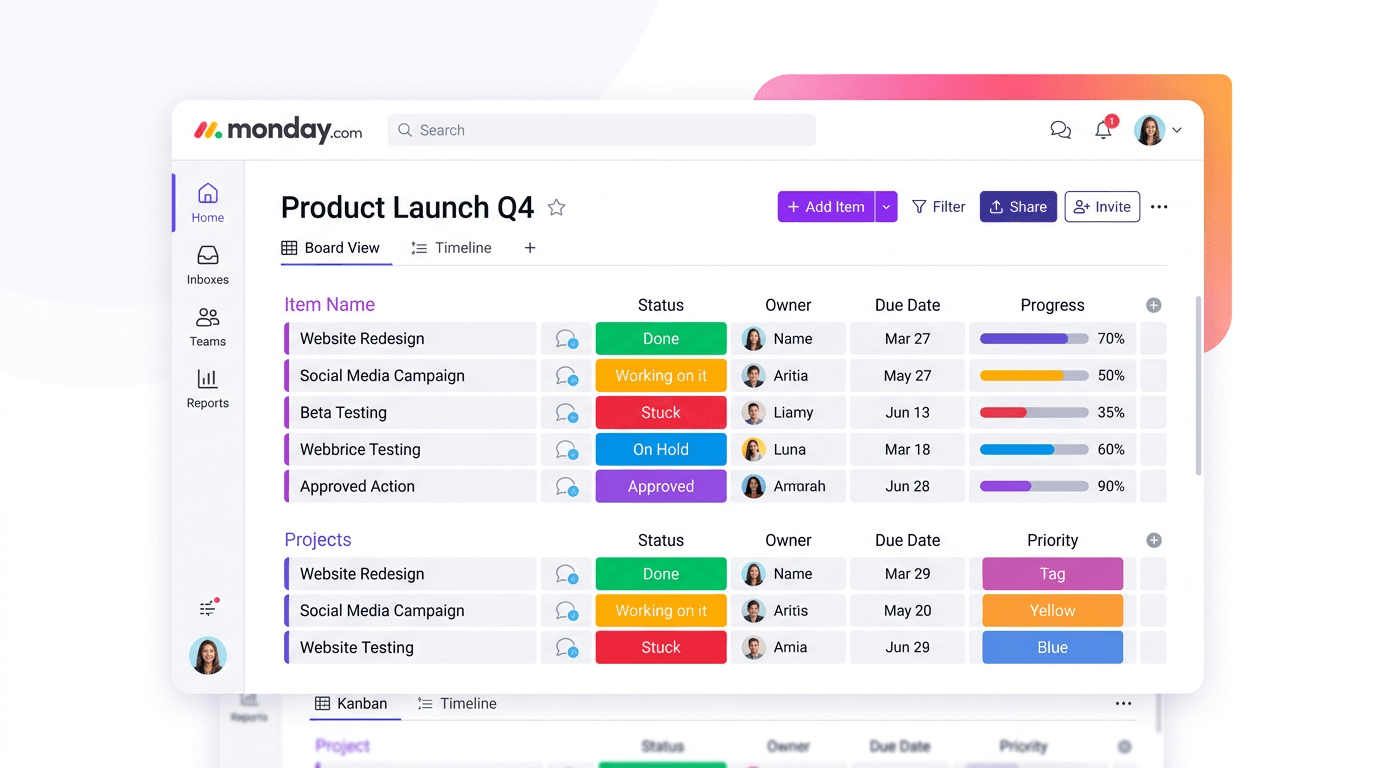
Monday.com Review 2026: Is It Still the Best Work OS?
I tested Monday.com against ClickUp, Asana, and Wr...
Updated July 27, 2026
AI Writing Software for Blogging in 2026: Best Tools + How to Stay AI-Search Vis...
The best AI writing software for blogging in 2026 ...
Updated July 20, 2026
HubSpot Review 2026: Is It Worth the Cost?
I tested HubSpot’s free CRM, Starter, and Pr...
Updated July 20, 2026
Teamwork.com Review 2026: Is It the Best PM Tool for Client Work?
I tested Teamwork.com for agency and client projec...
Updated May 29, 2026
Wrike Review 2026: Is It Worth the Cost?
I tested Wrike in real enterprise workflows. Here&...
Updated May 29, 2026
Asana Review 2026: Is It Worth It? (Honest, In-Depth Analysis)
I tested Asana across real team workflows. Here...
Updated May 29, 2026
Newsletter
Don't miss a thing!
Sign up to receive daily news