
Updated June 16, 2026
SaaS Marketing Strategy: A Practical 2026 Guide (with Real Examples)
Table of Contents
Disclosure: Some internal links point to product reviews where I may earn a commission. With no extra charge to you .I only recommend tools I’ve actually used.
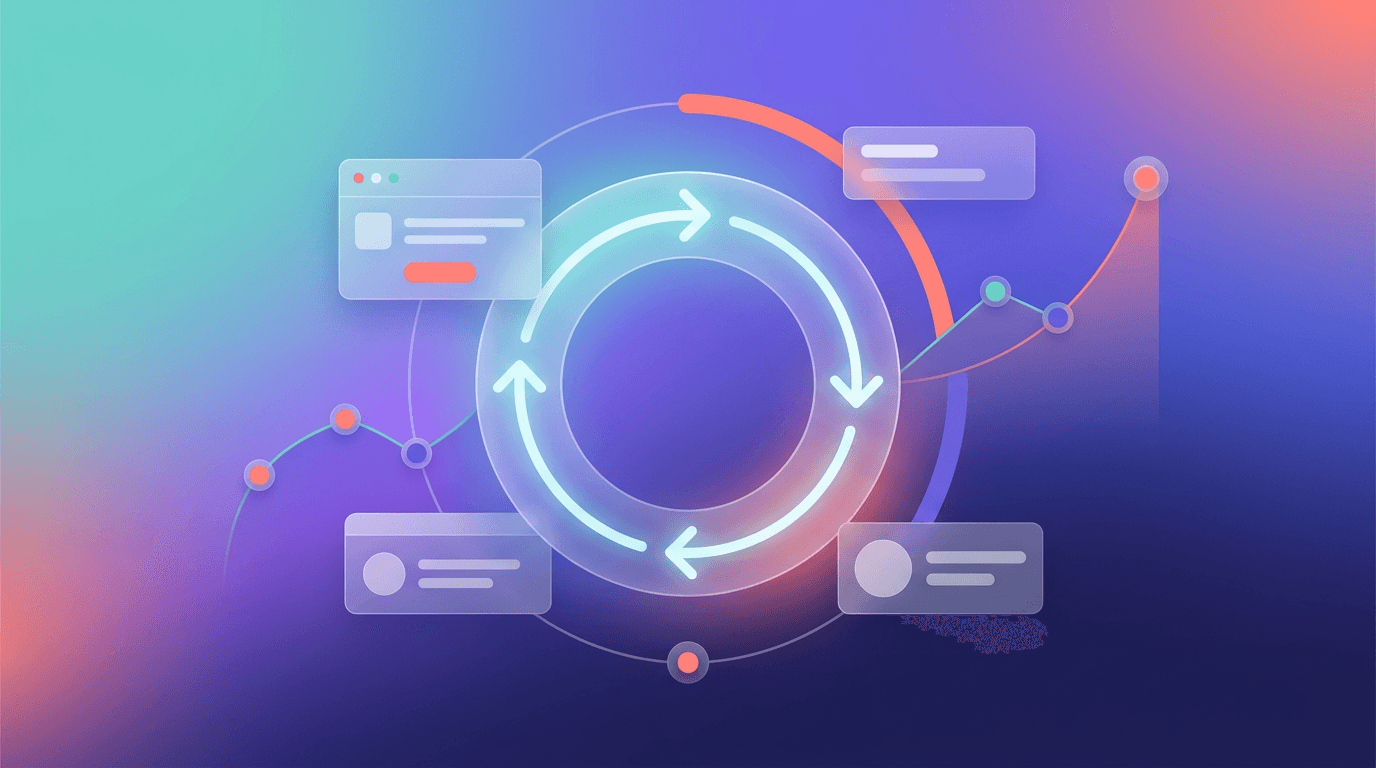
A SaaS marketing strategy is your plan to acquire, activate, retain, and expand subscribers over their entire lifecycle — not a campaign to land a single sale. That’s the whole difference. When revenue recurs, keeping a customer matters as much as winning one, so the work doesn’t stop at checkout; it barely starts there.
I’ve spent years testing and reviewing this software with my own money, and most “SaaS marketing” advice online is either a 2,000-word definition or a listicle of tactics with no spine. This is the playbook I’d actually follow in 2026: the metrics that matter, the channels that work, and the lifecycle that ties them together — each with a real example. If you’re building the content side of this, my guide to building a content engine with AI tools pairs well with what follows.
| Key takeaways -SaaS marketing is a lifecycle, not a funnel that ends at the sale — acquire, onboard, retain, expand. -Nail your ICP and positioning before you spend a dollar on channels. Outcomes over features. -Pick 2–3 channels where your buyers actually are; don’t run all eight at once. -The product is the marketing — product-led growth and a strong review profile do the convincing for you. |
What is SaaS marketing? (and why it’s different)
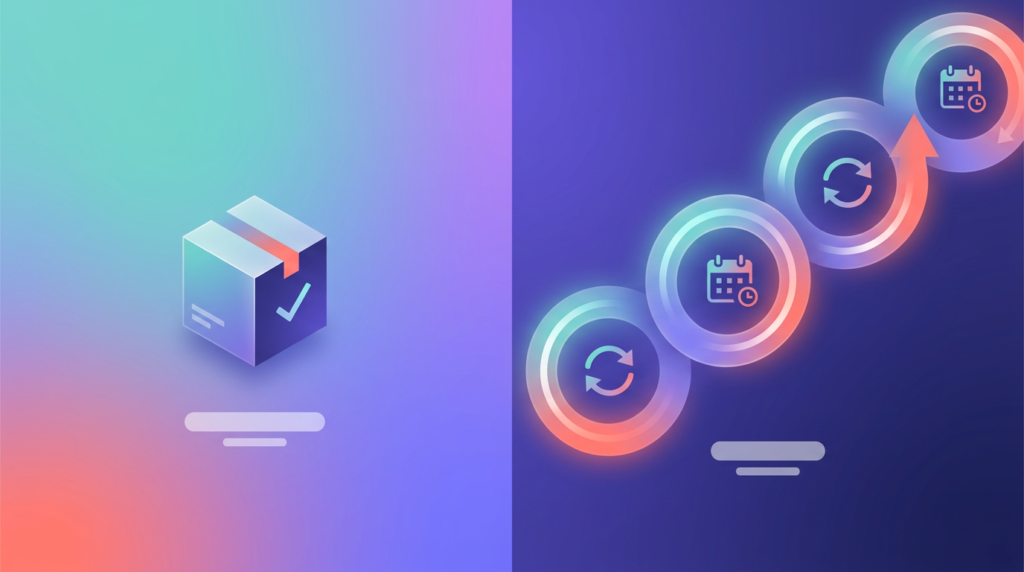
SaaS marketing is how subscription software companies attract, convert, and keep customers who pay on a recurring basis. The difference from regular product marketing is the recurring part: you’re not selling a one-time purchase, you’re earning a renewal every single month.
The math changes because of it. A customer who signs up and leaves in two months can cost you more than they pay. So a real SaaS marketing strategy treats acquisition, onboarding, retention, and expansion as one connected system — not separate departments that hand off and forget.
The metrics that matter (learn these first)
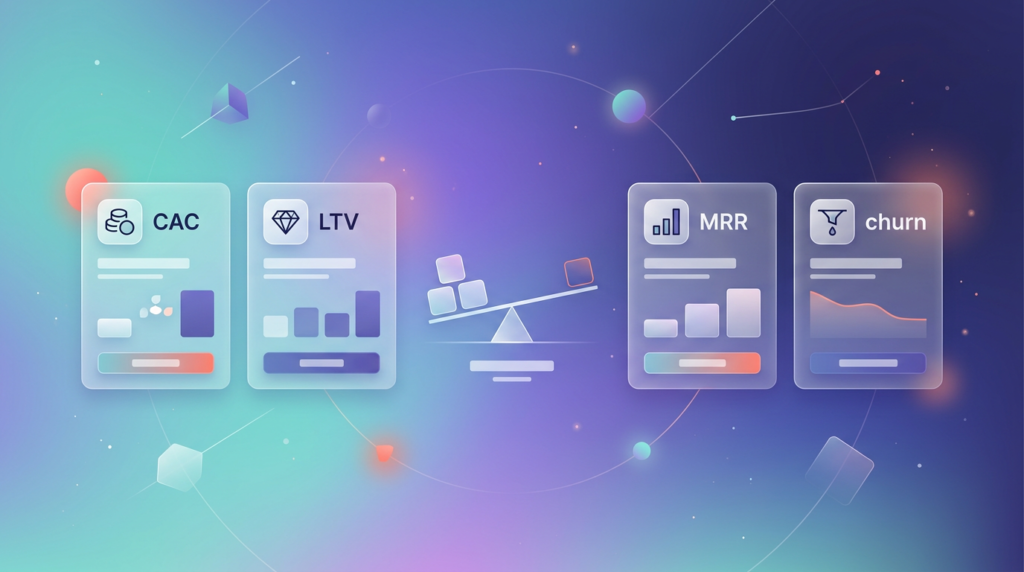
Before any tactics, four metrics tell you whether your SaaS marketing is actually working. Lead with these because they’re the scoreboard — every channel decision below should move one of them.
| Metric | What it means | Healthy benchmark |
| CAC | Customer acquisition cost — the total sales and marketing spend to win one paying customer. | Recovered in under 12 months |
| LTV | Lifetime value — the total gross-margin revenue you earn from a customer before they churn. | At least 3× your CAC |
| MRR / ARR | Monthly (or annual) recurring revenue — the predictable subscription income your model runs on. | Growing month over month |
| Churn | The rate at which customers cancel. The silent killer of recurring-revenue businesses. | Under ~3% monthly (lower is better) |
The one ratio to memorize: a healthy SaaS business earns at least 3× more from a customer than it spends to acquire them — a 3:1 LTV:CAC ratio. That’s the widely-cited floor, and the 2026 B2B median sits right around 3.2:1 (SaaSMag, 2026). Below 3:1, you’re usually paying too much for what each customer is worth.
Start with strategy: ICP, positioning, value prop
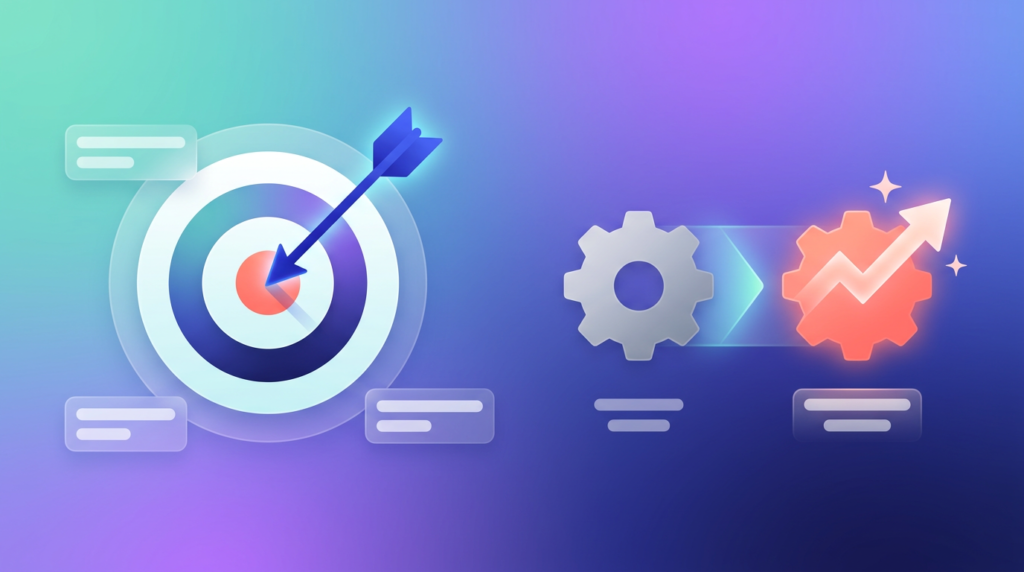
Before channels, define who you’re for. Your ideal customer profile (ICP) is the specific type of business or person who gets the most value from your product — and the foundation every modern guide leads with, because targeting everyone means reaching no one.
Then position around outcomes, not features. Nobody buys “real-time collaborative dashboards.” They buy “see where every project stands without chasing five people for updates.” Same feature, but one sells the result. The sharpest SaaS copy names a concrete payoff — “saves about $1,000 a month” or “reporting that took a day now takes an hour.”

The SaaS marketing funnel: acquire, onboard, retain, expand
The SaaS lifecycle has four stages, and most teams over-invest in the first and ignore the rest. Here’s the whole loop:
- Acquire: Get the right-fit visitors to try the product — via content, search, community, or a free tier.
- Onboard: Get them to the “Aha” moment fast — the point where they feel the product’s value for the first time.
- Retain: Keep them succeeding so they renew. Retention is where recurring revenue is actually made.
- Expand: Grow each account — upsells, more seats, higher tiers. The cheapest revenue you’ll ever earn.
The “Aha” moment: behavior-driven onboarding
Behavior-driven onboarding means guiding new users to the specific action that makes the product click — Dropbox getting you to put one file in a synced folder, a project tool getting you to invite a teammate. Find the action that correlates with people sticking around, then design onboarding to get everyone there quickly. This single subsection is where most churn problems actually get solved.

The SaaS marketing strategies that work in 2026
Here are the channels and motions worth your time this year. The first four are the canonical set — the ones every serious 2026 guide and Google’s own AI Overview name. The rest are where I’d spend the extra hours. You won’t run all of these well at once, so pick the two or three where your ICP actually lives.
1. Product-led growth (PLG)
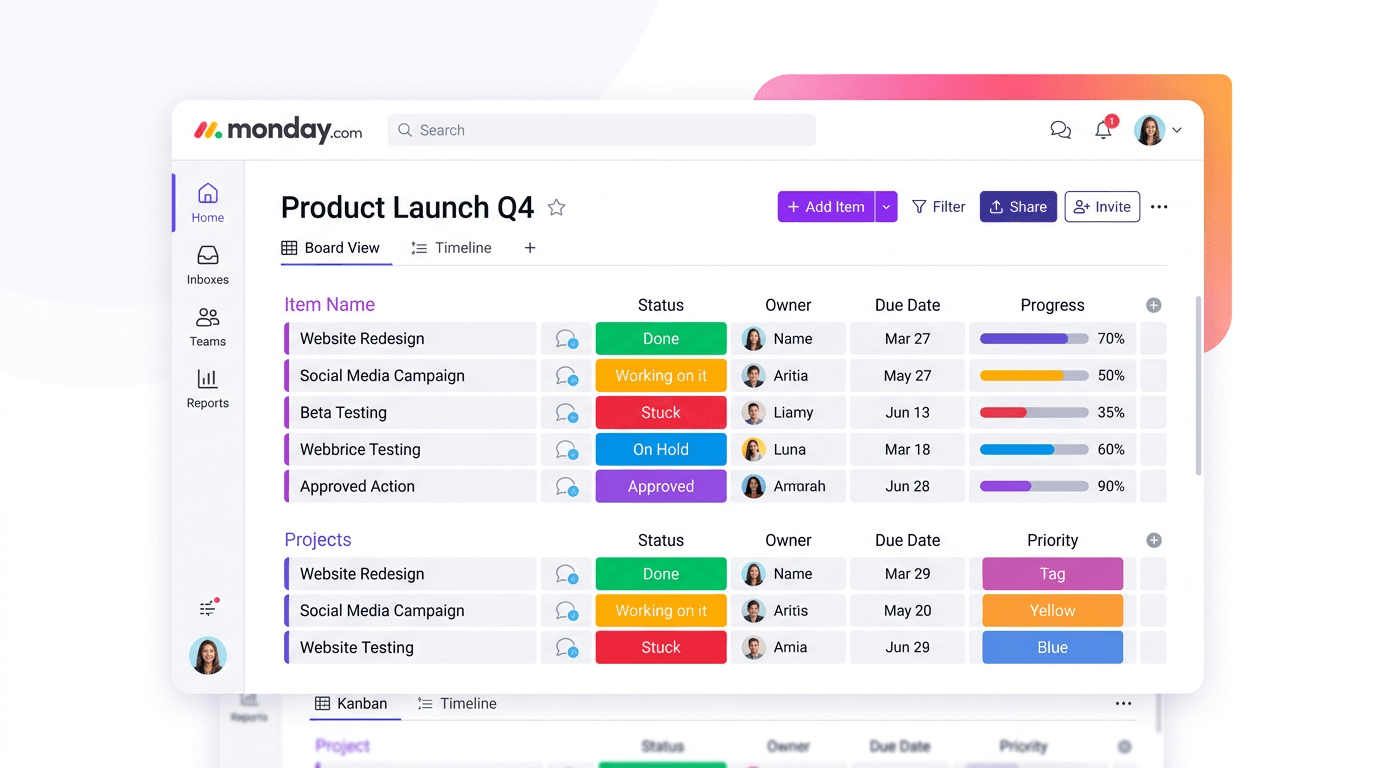
Let people experience the product before they pay — free trials, freemium, or free tools. It works because a buyer who’s already felt the value is far easier to convert than one reading a sales page. Examples: Dropbox (freemium storage), Spotify (free tier to paid), Wix (build first, pay to publish). For a freemium SaaS done well, I broke this down in my Monday.com review, where the free plan is the on-ramp to the paid tiers.
2. SEO and content engine
Rank for the problems your ICP searches, and you build an asset that compounds instead of renting attention through ads. Roughly 9 in 10 SaaS companies run a blog for exactly this reason (Mailmodo, 2025). The trick is targeting buying-intent problems, not vanity traffic. Example: this very guide is content marketing — it exists to rank, help, and point you toward tools I trust.

3. AI visibility (GEO)
This is the big 2026 addition. Buyers now ask ChatGPT, Perplexity, and Gemini to recommend software, and being named in that answer is the new page one. You earn it by structuring content to be quotable — clear claims, sourced stats, direct answers — and by keeping a strong, current review profile that AI engines pull from. Most of your competitors haven’t noticed this yet, which is exactly why it’s worth doing now.
4. Review profiles (G2, Capterra, Trustpilot)
Reviews shape both human buyers and what AI engines recommend, which makes them double-duty in 2026. A steady stream of recent, detailed reviews on the sites your buyers check is one of the highest-leverage things a SaaS can invest in. Example: it’s the same reason I run a hands-on review cluster on this site — honest, tested reviews are what both people and algorithms trust.
5. Email and lifecycle automation
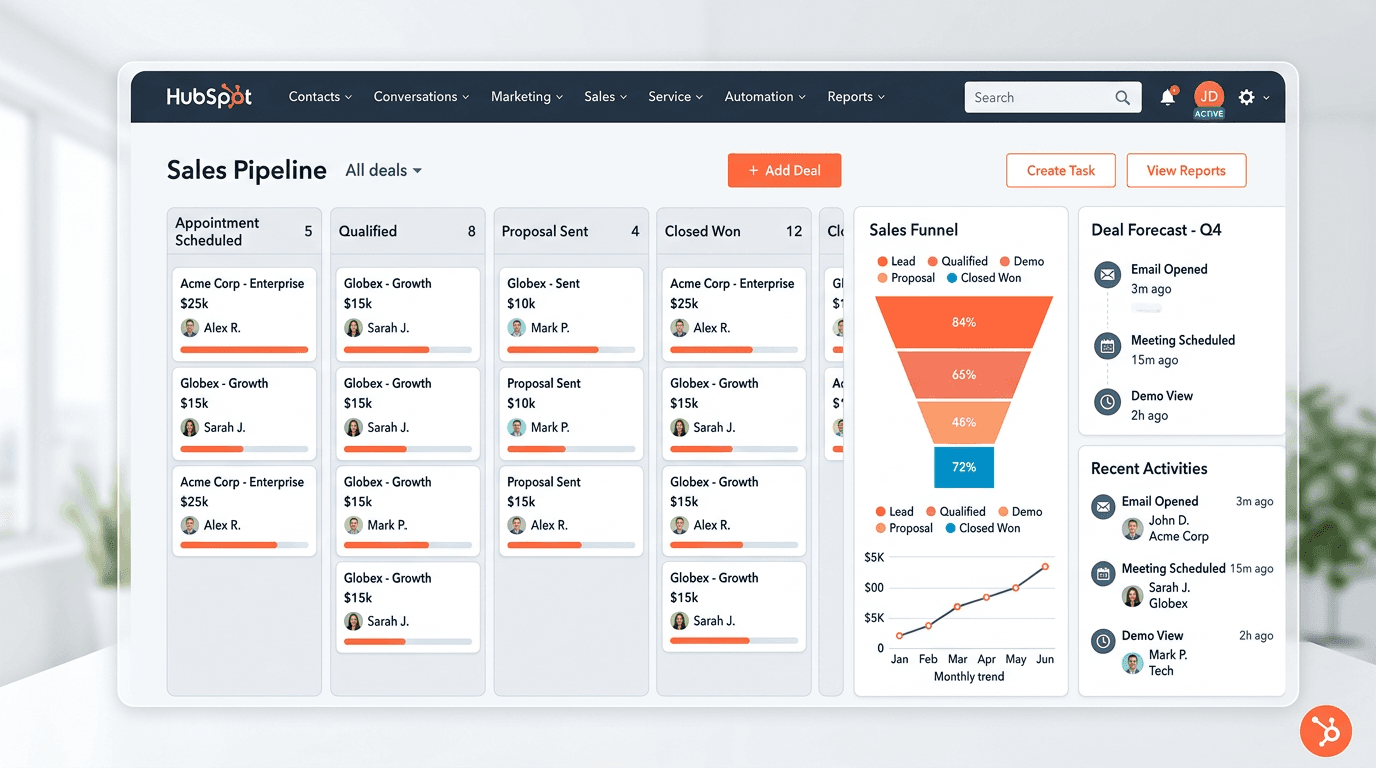
Email is where onboarding, activation, nurture, and expansion actually run day to day — triggered by what users do, not blasted on a schedule. A good lifecycle program quietly drives activation and reduces churn in the background. A CRM with marketing automation is the engine here; I walk through one option in my HubSpot review, including where its pricing cliff catches small teams off guard.
6. Community, social, and build-in-public
Founder-led content and community — LinkedIn, niche communities, building in public — compounds trust in a way ads can’t buy. It’s slow, but it’s durable, and it’s a fit for SaaS where buyers want to see the people behind the product.
7. Paid and ABM (when you’re ready)
Paid ads and account-based marketing (ABM) work — but stage them honestly. Don’t pour money into paid acquisition before you’ve validated that customers stick. ABM, where you target specific high-value accounts, earns its keep mainly once you’re selling to enterprise. Scale paid after the unit economics work, not before.
8. Customer success as marketing
Your support and success team is a growth channel. Customers who succeed renew, refer, and leave the reviews that feed every other strategy on this list. Treating retention as a marketing motion — not a cost center — is the mindset shift that separates durable SaaS from leaky ones.
Measure, iterate, and find your leaks
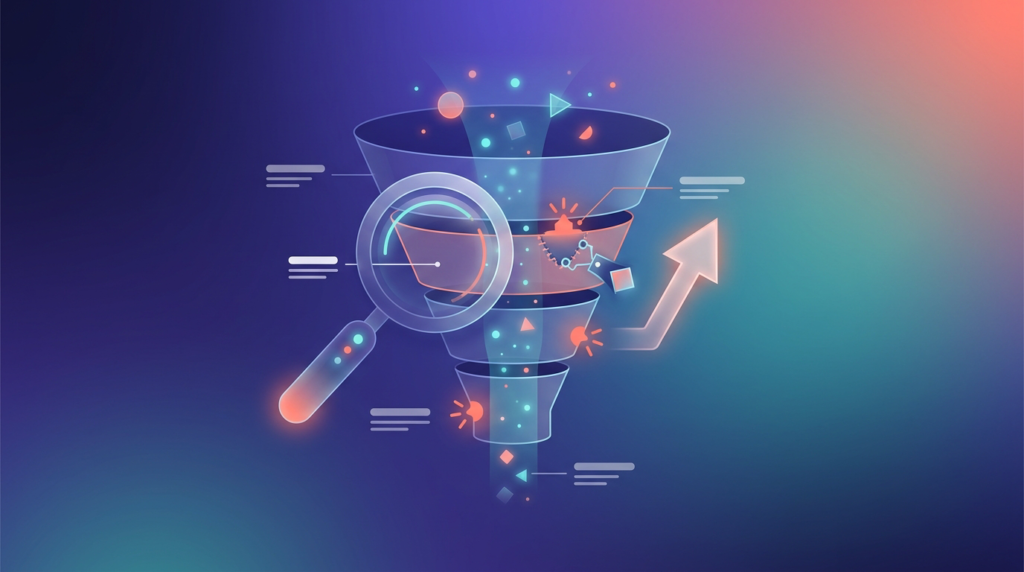
Once channels are running, the job is finding where the lifecycle leaks. Map each metric from earlier to a stage: high CAC points to acquisition or targeting; early churn points to onboarding; flat expansion points to a missing upsell motion. Fix the biggest leak first — it’s almost always cheaper to reduce churn than to acquire your way around it.
Real SaaS marketing examples
A few named examples that show these strategies in the wild:
- Dropbox referral loop: Gave free storage to both referrer and referee — a PLG + referral motion that drove famously cheap growth.
- Freemium (Spotify, Wix): A free tier that’s genuinely useful, with paid upgrades for power features — the product sells itself before a rep ever does.
- Free tools: Standalone free calculators or generators that rank in search and feed the top of the funnel — content and PLG combined.
The bottom line on SaaS marketing strategy
If you take one thing from this: a SaaS marketing strategy lives or dies on the full lifecycle, not the first sale. Get your ICP and positioning right, learn the four metrics, pick two or three channels your buyers actually use, and make the product itself do the convincing.
You don’t need all eight strategies this quarter. Start where your leak is biggest, measure honestly, and let retention compound. That’s the unglamorous truth behind every SaaS that looks like an overnight success — they just kept the customers they already had.
Frequently asked questions
What is a SaaS marketing strategy?
A SaaS marketing strategy is a plan to acquire, activate, retain, and expand subscribers across their whole lifecycle, rather than to win a single sale. Because revenue recurs, it prioritizes retention over one-time transactions — keeping and growing customers matters as much as acquiring them. The goal is durable, compounding recurring revenue.
What metrics matter most in SaaS marketing?
The four core metrics are CAC (cost to acquire a customer), LTV (lifetime value), MRR/ARR (recurring revenue), and churn (cancellation rate). The key ratio is LTV:CAC — a healthy SaaS earns at least 3× more from a customer than it spends acquiring them. The 2026 B2B median sits around 3.2:1.
How do you market a SaaS product?
Start by defining your ideal customer profile, then lead with the product through free trials or freemium (product-led growth). Pick the two or three channels where your buyers actually are — SEO and content, ABM, or community — and measure retention, not just signups. Fix your biggest lifecycle leak before scaling spend.
What are the main SaaS marketing channels?
The four canonical SaaS marketing channels are product-led growth (freemium and free trials), SEO and content, account-based marketing (ABM), and community building. Most successful SaaS companies focus on two or three of these rather than spreading thin, choosing the channels where their ideal customers already spend time.
What are some SaaS marketing examples?
Classic examples include Dropbox’s referral loop (free storage for both sides), freemium models like Spotify and Wix that let users try before buying, and free standalone tools that rank in search and feed the funnel. Each lets the product demonstrate its own value before any sales conversation happens.
What is the Rule of 40 in SaaS?
The Rule of 40 is a health check that says a SaaS company’s growth rate plus profit margin should total at least 40%. For example, 25% growth plus 15% profit margin equals 40. It balances growth against profitability, and investors weight it heavily when judging whether a SaaS is sustainably run.
Sources
- SaaSMag — SaaS Capital Efficiency Metrics: 2026 Benchmarks (3:1 LTV:CAC floor; 3.2:1 median) — https://www.saasmag.com/saas-capital-efficiency-metrics/
- Mailmodo — SaaS Content Marketing Statistics (9 in 10 SaaS businesses use blogs) — https://www.mailmodo.com/guides/saas-content-marketing-statistics/
- Eagle Rock CFO — SaaS Metrics Benchmarks 2026 (Rule of 40; LTV:CAC > 3:1) — https://www.eaglerockcfo.com/blog/research/saas-finance-metrics-benchmarks

Recent Posts
Monday.com Review 2026: Is It Still the Best Work OS?
I tested Monday.com against ClickUp, Asana, and Wr...
Updated July 27, 2026

AI Writing Software for Blogging in 2026: Best Tools + How to Stay AI-Search Vis...
The best AI writing software for blogging in 2026 ...
Updated July 20, 2026
HubSpot Review 2026: Is It Worth the Cost?
I tested HubSpot’s free CRM, Starter, and Pr...
Updated July 20, 2026
Teamwork.com Review 2026: Is It the Best PM Tool for Client Work?
I tested Teamwork.com for agency and client projec...
Updated May 29, 2026
Wrike Review 2026: Is It Worth the Cost?
I tested Wrike in real enterprise workflows. Here&...
Updated May 29, 2026
Asana Review 2026: Is It Worth It? (Honest, In-Depth Analysis)
I tested Asana across real team workflows. Here...
Updated May 29, 2026
Newsletter
Don't miss a thing!
Sign up to receive daily news