
Updated June 23, 2026
8 Best Ways to Make Money Online in 2026 (Realistic & Legit)
Table of Contents
Let’s be honest about what this phrase usually means. Search “make money online” and you’ll drown in hype — overnight riches, passive-income fantasies, and “systems” that mostly make money for the person selling them. This guide is the opposite of that.
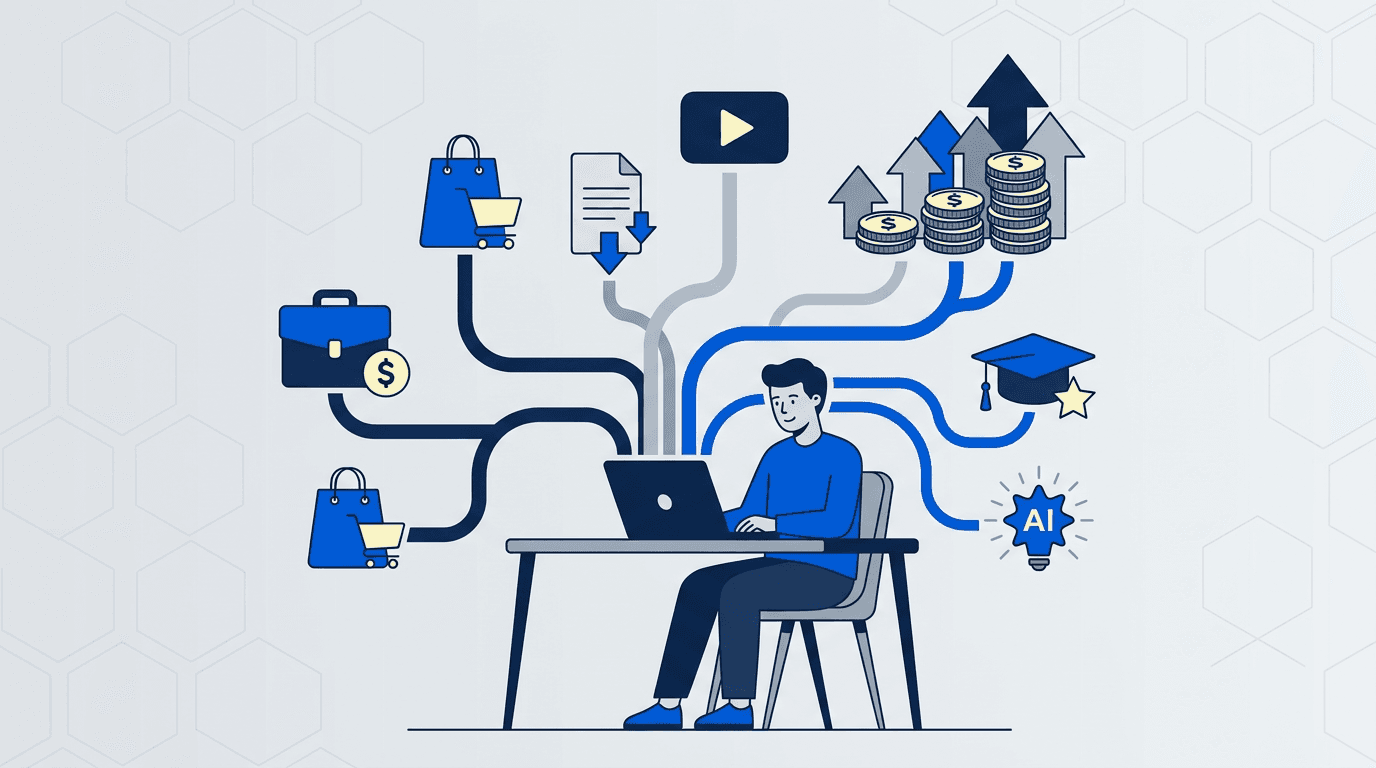
Here are eight realistic ways to make money online in 2026 — methods that actually work, with honest income ranges, real startup steps, and the tools I’d use. Some pay within days. Some take months to build. None of them are get-rich-quick, because get-rich-quick isn’t a thing. If you want the truth about what’s legit and what’s a trap, keep reading.
One thing that’s genuinely changed since I first wrote this guide: AI. Every method below is now faster, cheaper, or more scalable because of AI tools — and one method didn’t exist in its current form at all. I’ll flag the AI angle throughout, because ignoring it in 2026 would be like ignoring the internet in 2005.
The 8 Best Ways to Make Money Online in 2026 (At a Glance)
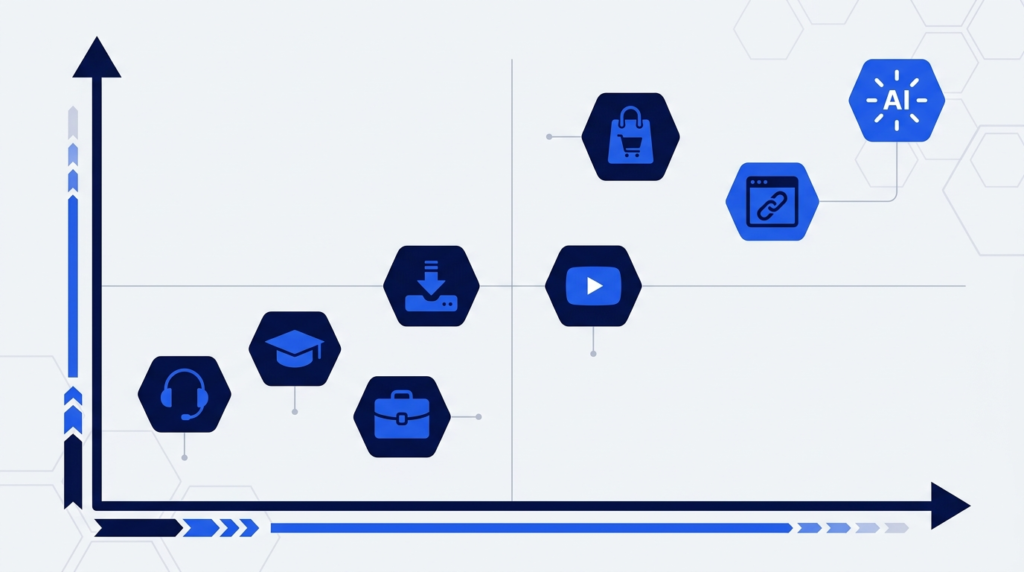
Here’s the quick version. Income ranges are realistic monthly or hourly figures for someone who sticks with it — not best-case screenshots from a sales page.
| Method | Realistic income | Startup cost | Difficulty | Time to $1 |
| 1. Freelancing | $20–$95+/hr | $0 | Low | Days–weeks |
| 2. Affiliate & blogging | $0–$10k+/mo | Low | Medium | 6–12 months |
| 3. E-commerce / POD | $0–$5k+/mo | Low–med | Medium | 1–3 months |
| 4. Digital products | $0–$10k+/mo | Low | Medium | Weeks–months |
| 5. YouTube / content | $0–$5k+/mo | Low | High | 6–18 months |
| 6. Online tutoring/courses | $15–$60+/hr | Low | Low–med | Days–weeks |
| 7. Virtual assistance | $20–$50+/hr | $0 | Low | Days–weeks |
| 8. Make money with AI | $25–$100+/hr | Low | Medium | Weeks |
Income figures are directional estimates based on 2026 platform and industry data (sourced below), not guarantees. Your results depend on skill, effort, and consistency. Now let’s break each one down.
1. Freelancing
Best for: anyone with a usable skill who wants the fastest realistic path to a first dollar.
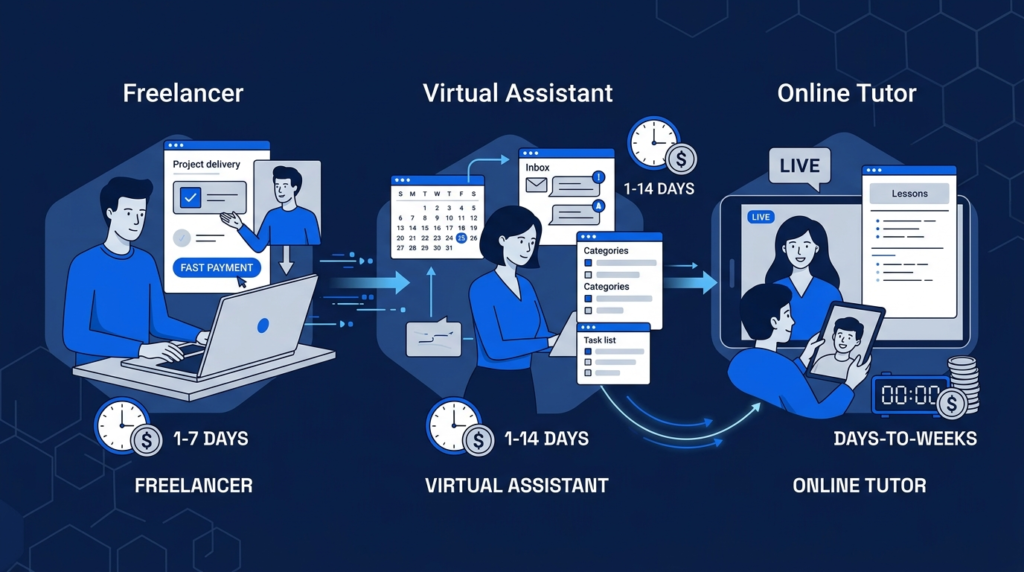
Freelancing is still the number-one entry point, and it’s the one I recommend most for beginners. You sell a skill you already have — writing, design, development, marketing, admin — to clients who need it, one project at a time. No audience, no product, no waiting. If you can do something useful, someone will pay for it this week.
Realistic income: US freelancers average around $39–$48 per hour in 2026, with most rates landing between roughly $24 and $62 depending on skill and experience (ZipRecruiter / Clockify data). Writers commonly charge $20–$80/hr, designers $25–$100/hr, and developers far more. Specialists earn multiples of generalists.
How to start: pick one skill, create a simple portfolio (even 2–3 sample pieces), and set up profiles on the major platforms. Start slightly below market rate to win your first reviews, then raise prices fast once you have social proof.
Platforms & tools: Upwork and Fiverr are the obvious starting points; Contra (zero-commission) and Toptal (vetted, higher-end) are strong 2026 alternatives.
The 2026 AI angle: the freelancers winning right now use AI to deliver faster and sell outcomes, not hours. A writer who uses AI to research and draft, then adds real expertise and editing, can take on more work at a higher effective rate. Sell the result, not the time.
2. Affiliate Marketing & Blogging
Best for: people willing to build something over months for income that eventually runs while they sleep.
This is the model my own site runs on, so I’ll be straight with you about it. You create content that helps people, recommend products you trust, and earn a commission when readers buy through your links. It’s not passive at the start — it’s a lot of upfront work for delayed payoff — but once content ranks and earns, it can keep earning for years.
Realistic income: enormously variable. Plenty of blogs earn $0 because they quit before traffic compounds; established affiliate sites earn anywhere from a few hundred to five figures a month. Affiliate and product sales now make up over 20% of combined creator revenue, one of the fastest-growing income sources (creator economy data).
How to start: pick a niche you can sustain, start publishing genuinely useful content, and join affiliate programs (Amazon Associates to start, then higher-paying SaaS and tool programs). The hard part isn’t starting — it’s not quitting in month three before the traffic arrives.
The new reality — GEO: ranking now means optimising for AI search, not just Google’s blue links. I cover the full workflow in my guide to starting a blog with AI software, which goes deep on creating content AI engines actually cite.
3. E-commerce & Print-on-Demand
Best for: people who want to sell physical products without holding inventory.
E-commerce covers a lot, but the most beginner-friendly 2026 version is print-on-demand (POD): you design products — t-shirts, mugs, posters — and a partner prints and ships them only when someone orders. No inventory, no upfront stock cost. Dropshipping works similarly for other goods.
Realistic income: anywhere from a side-income few hundred a month to several thousand for a store that finds a real audience. Be honest with yourself about margins — POD and dropshipping are crowded in 2026, and thin margins mean volume and marketing matter more than the product idea.
How to start: pick a niche with genuine demand, design a small product line, and connect a POD service to a storefront. Validate with a few designs before scaling — don’t build 100 products before you’ve sold one.
Platforms & tools: Shopify or Etsy for the storefront, Printful or Printify for POD fulfilment.
4. Selling Digital Products
Best for: people who want to create something once and sell it repeatedly.
This is the standout method of 2026, and the one I’d point most people toward for long-term income. Digital products — templates, ebooks, Notion systems, presets, printables, mini-courses — cost almost nothing to reproduce. You build it once; every sale after that is near-pure margin. No inventory, no shipping, no per-unit cost.
Realistic income: from a quiet few hundred a month to five figures for a creator with an audience and a product that solves a real problem. The leverage is the appeal — a $30 template that sells 200 times is $6,000 from work you did once.
How to start: identify a specific problem your skills can solve, build one focused product, and sell it through a simple storefront. Start with one product, get it right, then expand. AI tools make creating the first draft of a template, guide, or course outline dramatically faster.
Platforms & tools: Gumroad is the simplest place to start; Kajabi and Teachable suit courses and bundles.
5. YouTube & Content Creation
Best for: people willing to create consistently for a year or more before meaningful income.
Content creation — YouTube, TikTok, Instagram — can become real income through ad revenue, sponsorships, affiliates, and product sales. But I’ll be blunt about the timeline, because most guides won’t: the median creator earns very little, and over half earn under $15,000 a year (creator economy data). The upside is real, but it’s a long game.
Realistic income: near zero for most of the first year, then a wide range. YouTube ad revenue alone runs roughly $1.60–$30 per 1,000 views depending on niche (finance and business pay the most). The creators who earn well diversify across ads, sponsorships, affiliates, and their own products.
How to start: pick a niche you won’t get bored of, commit to a publishing cadence you can sustain, and lean into short-form (Shorts, Reels, TikTok) for faster reach. Treat the first year as building, not earning.
The 2026 reality: 86% of creators now use AI in their workflow — editing, scripting, thumbnails, ideation. AI won’t make you interesting, but it removes hours of grunt work so you can publish more consistently.
6. Online Tutoring & Teaching Courses
Best for: people with knowledge or a skill others want to learn.
If you know something well enough to teach it, you can get paid for it — live (tutoring) or packaged (a course). Tutoring pays quickly and predictably; courses take more upfront work but scale like a digital product. They sit on a spectrum, and many people start with tutoring and graduate to a course once they know what students struggle with.
Realistic income: tutoring commonly runs $15–$60+/hr depending on subject and level, with test prep and technical subjects at the top. A course can earn anywhere from pocket money to a meaningful income stream once it’s built and marketed.
How to start: for tutoring, sign up to a platform and list your subjects. For courses, validate the topic first (does anyone actually want it?), then build a focused curriculum rather than an exhaustive one.
Platforms & tools: Outschool and Wyzant for tutoring; Teachable and Udemy for courses.
7. Virtual Assistance
Best for: organised people who want steady, flexible, low-barrier income fast.
Virtual assistants handle the work businesses and creators don’t have time for — email, scheduling, data entry, customer support, social media, research. It’s one of the most reliable from-home options because the demand is broad and constant, and you can start with skills you already have.
Realistic income: typically $20–$50+/hr, with the higher end going to VAs who specialise (bookkeeping, social media management) or who are fluent in the tools their clients use. Generalist VAs earn solid hourly rates; specialist VAs earn noticeably more.
How to start: decide which services you’ll offer, set up a simple profile, and find your first clients through freelance platforms, VA-specific job boards, or direct outreach to small businesses and creators.
The 2026 edge: AI-literate VAs command higher rates. A VA who can run AI tools to draft content, summarise meetings, and automate repetitive tasks delivers far more value than one doing everything by hand — and clients pay for that leverage.
8. Make Money With AI
Best for: people who want to ride the defining shift of 2026 rather than compete against it.
This is the method that didn’t meaningfully exist when I first wrote this guide, and it’s now the one everyone asks about. “Making money with AI” isn’t one thing — it’s a category: offering AI-augmented services (content, design, automation), building AI-powered micro-products, or using AI to do any of the other seven methods faster and better.
Realistic income: as a service, it tracks freelancing rates and often higher — $25–$100+/hr — because AI fluency is still a premium skill. As products, it tracks digital-product economics: build once, sell repeatedly.
How to start: pick a real problem and a tool that solves it — AI content for businesses, AI-designed assets, AI-built automations for small companies — and sell the outcome. The opportunity is in applying AI to someone’s specific need, not in the tools themselves.
The honest caveat — and it matters: buyers increasingly recognise and devalue raw, unedited AI output. The money isn’t in reselling what anyone can generate in one click. It’s in selling a real, finished outcome — AI for speed, your judgement for quality. That distinction is the whole game.
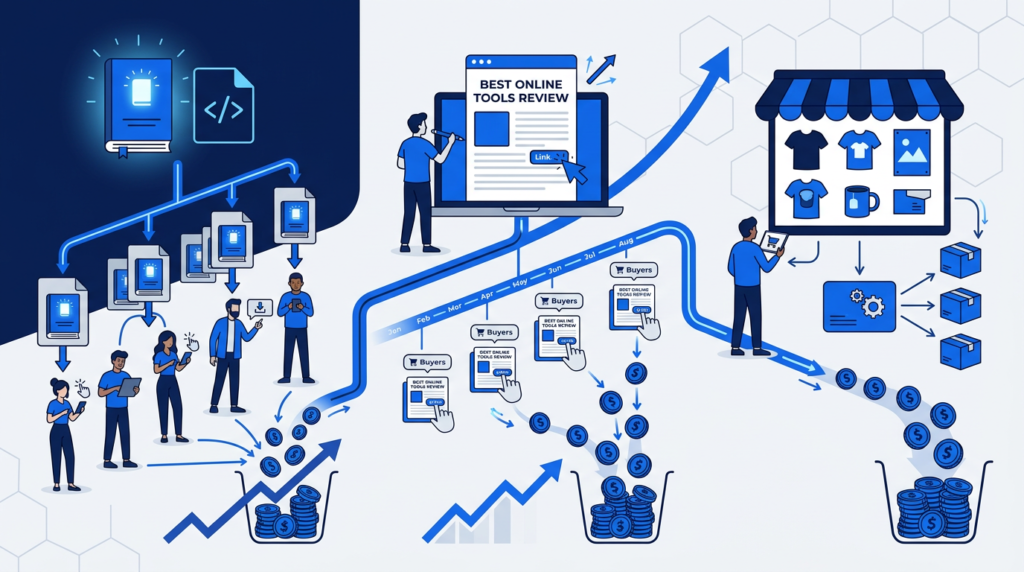
How to Choose the Right Method for You
Don’t try all eight — pick one to start. Here’s the simplest way to decide, by what you actually need:
- Need cash fast? Freelancing or virtual assistance. Both use skills you have and pay within days to weeks.
- Want long-term, scalable income? Digital products or affiliate marketing. Slower to start, but they compound and can eventually earn while you sleep.
- Want to build an audience and brand? YouTube and content creation — the longest game, but the widest upside if you stick with it.
- Want to ride the 2026 shift? Make money with AI, layered onto whichever of the above fits you. AI makes every other method faster.
My honest advice: pick one, commit to it for at least 90 days, and ignore the others until you’ve given it a real shot. The biggest reason people fail at making money online isn’t the method — it’s jumping between methods every two weeks.

Common Make-Money-Online Scams to Avoid
The “legit” question matters because this space is full of traps. Here’s how to spot them — every one of these is a reliable red flag:
- Upfront fees to “start earning.” Legitimate work pays you, not the other way around. Any “opportunity” that asks for money before you can earn is almost always a scam.
- Guaranteed or “passive” riches. No legitimate method guarantees income, and nothing is truly passive at the start. “Earn $5,000/week on autopilot” is a sales pitch, not an opportunity.
- Vague “systems” with no real product. If you can’t tell what you’d actually be doing or selling, the only product is the course teaching you to sell the course.
- Pressure and urgency. “Only 3 spots left, enrol now” exists to stop you thinking. Real opportunities are still there tomorrow.
- Pay-to-play “jobs.” Legitimate employers and platforms don’t charge you to access work. If a “job” requires a payment, walk away.
The rule that covers almost all of it: if it sounds too good to be true, it is. Real online income comes from providing real value — there’s no version where money appears without it.
Frequently Asked Questions
What is the most realistic way to make money online?
Freelancing is the most realistic starting point. It uses skills you already have, has the lowest barrier to entry, and pays fastest through platforms like Upwork and Fiverr — often within days of landing your first client. Digital products and affiliate marketing scale better long-term, but they take longer to set up and earn.
How can I make money online for free?
Freelancing, affiliate marketing, virtual assistance, and content creation all require no upfront investment beyond your time. You can start with skills and tools you already have. Avoid any “opportunity” that asks for an upfront fee to begin earning — that’s one of the most reliable scam signals there is.
Can beginners really make money online in 2026?
Yes — but not overnight. Beginner-friendly starting points include freelance work, virtual assistance, and AI-assisted services. Most beginners who stay consistent see their first earnings within one to two months. The ones who fail almost always quit early or jump between methods instead of committing to one.
How can I make money online from home?
All eight methods in this guide are fully home-based. The fastest from-home options are freelancing and virtual assistance, which can pay within weeks. The most scalable are digital products and affiliate marketing, which take longer to build but can eventually generate income with less ongoing effort.
Is making money with AI legit?
Yes. AI-augmented services (content, design, automation) and AI-built digital products are legitimate and growing fast in 2026. The key is selling a real, finished outcome — not reselling raw AI output, which buyers increasingly recognise and devalue. Use AI for speed; use your own judgement and expertise for the quality that people actually pay for.
The Bottom Line
There’s no overnight money online — but there is real money online, and more of it is accessible in 2026 than ever before. The eight methods here are legitimate, they work, and AI has made every one of them faster to start.
Here’s my honest close: pick one method that fits your situation, commit to it for 90 days, and stay consistent. That single decision — choosing one thing and not quitting — separates the people who earn from the people who keep reading articles like this one. Start with the method that matches what you need, and begin this week.
If affiliate marketing or blogging is your pick, my guide to starting a blog with AI software is the natural next step.
Sources
Clockify — Average freelancer hourly rates 2026
DemandSage — Upwork statistics 2026

Recent Posts
Monday.com Review 2026: Is It Still the Best Work OS?
I tested Monday.com against ClickUp, Asana, and Wr...
Updated July 21, 2026

AI Writing Software for Blogging in 2026: Best Tools + How to Stay AI-Search Vis...
The best AI writing software for blogging in 2026 ...
Updated July 20, 2026
HubSpot Review 2026: Is It Worth the Cost?
I tested HubSpot’s free CRM, Starter, and Pr...
Updated July 20, 2026
Teamwork.com Review 2026: Is It the Best PM Tool for Client Work?
I tested Teamwork.com for agency and client projec...
Updated May 29, 2026
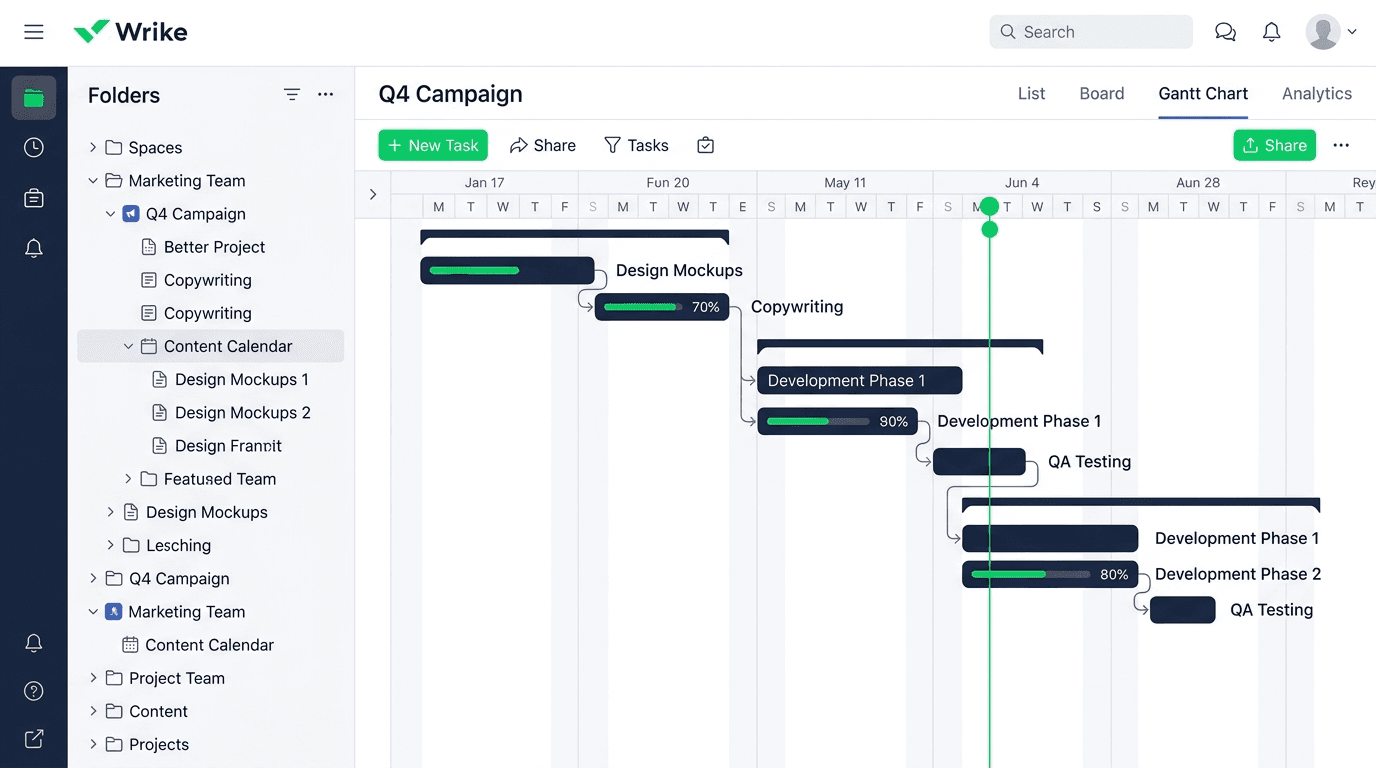
Wrike Review 2026: Is It Worth the Cost?
I tested Wrike in real enterprise workflows. Here&...
Updated May 29, 2026
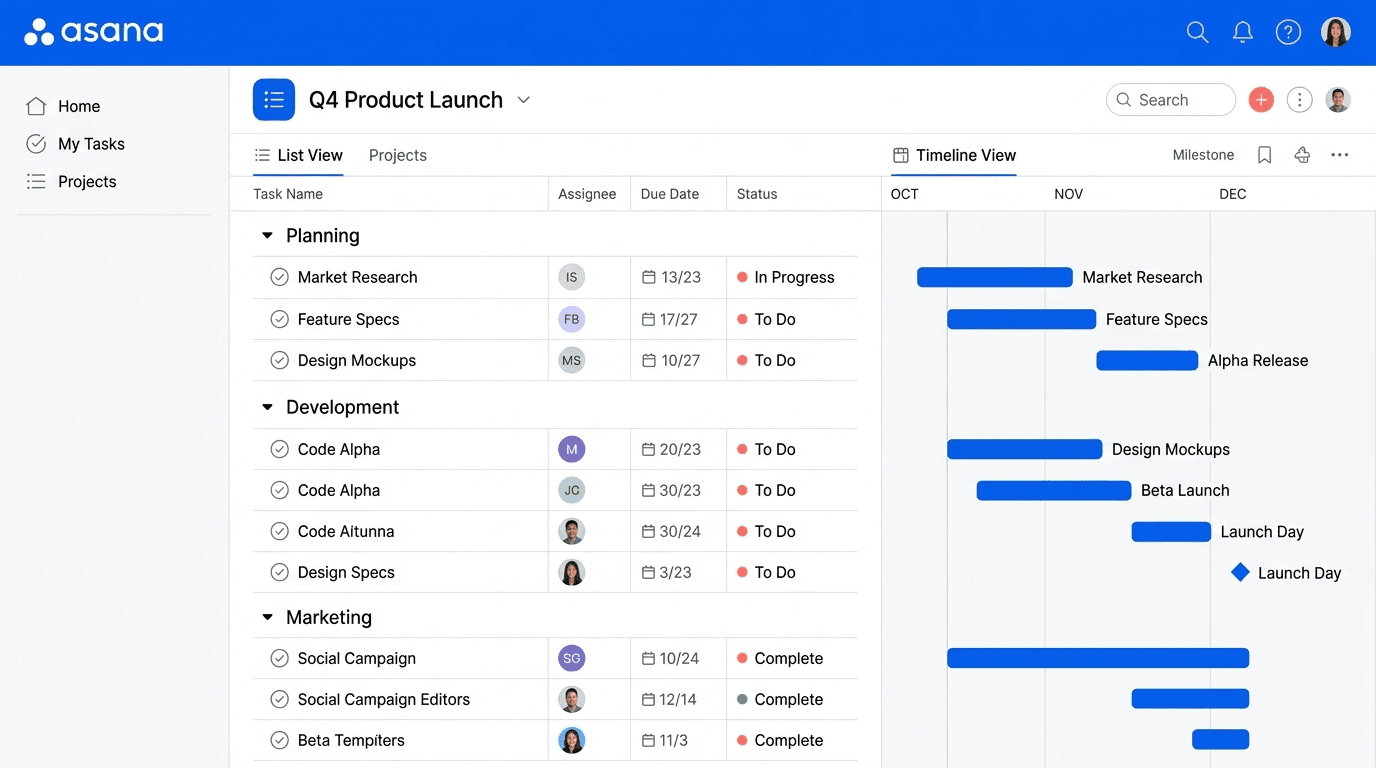
Asana Review 2026: Is It Worth It? (Honest, In-Depth Analysis)
I tested Asana across real team workflows. Here...
Updated May 29, 2026
Newsletter
Don't miss a thing!
Sign up to receive daily news