
 Tracy Jackson15 yrs in online marketing
How to Make Money on Pinterest (Pinterest Won’t Pay You)
Table of Contents
From 2022 to 2023, Pinterest sent real traffic to an earlier blog of mine. It never sent me a single affiliate commission.
Here’s the catch: Pinterest doesn’t pay you for your Pins. Every way it lists for earning pays through someone else, like an affiliate program, your own shop, or a brand, according to Pinterest’s own guide (July 2025).
So if you want to know how to make money on Pinterest, the real question is where your Pins send people. Below are the six ways that work in 2026, the setup steps, and the one program where Pinterest does pay creators.
You’ll also see what happened when my traffic didn’t pay, and the Pin stat that tells you whether people are actually leaving Pinterest for your page.
The 6 ways to make money on Pinterest:
- Share affiliate links in your Pins.
- Sell your own products or services with Pin links and product tags.
- Send traffic to a blog that earns from ads.
- Grow an email list you can sell to later.
- Get paid by brands for partnership Pins.
- Manage Pinterest accounts for other businesses.
Disclaimer: If you buy something using the links in this article, I may receive a commission at no extra cost to you.
Does Pinterest Pay You?
Not directly. You earn from what your Pins lead to: affiliate commissions, your own sales, ad revenue on your site, or brand deals. Pinterest says it isn’t part of affiliate agreements and won’t be directly involved in paying for brand partnerships, according to its creator guide (November 2026).
The exception: the Pinterest Inclusion Fund gives selected US creators financial support to make content, according to Pinterest (November 2026). It’s a competitive incubator program, not a payout for views, and I cover who can apply below.
So where does the money come from? Six places.
6 Ways to Make Money on Pinterest
The six main ways to make money on Pinterest are affiliate links, selling your own products, sending traffic to a monetized blog, building an email list, brand partnerships, and freelance Pinterest management. The first five run on your own Pins. The sixth turns your Pinterest skills into client work for other businesses.
1. Share affiliate links in your Pins
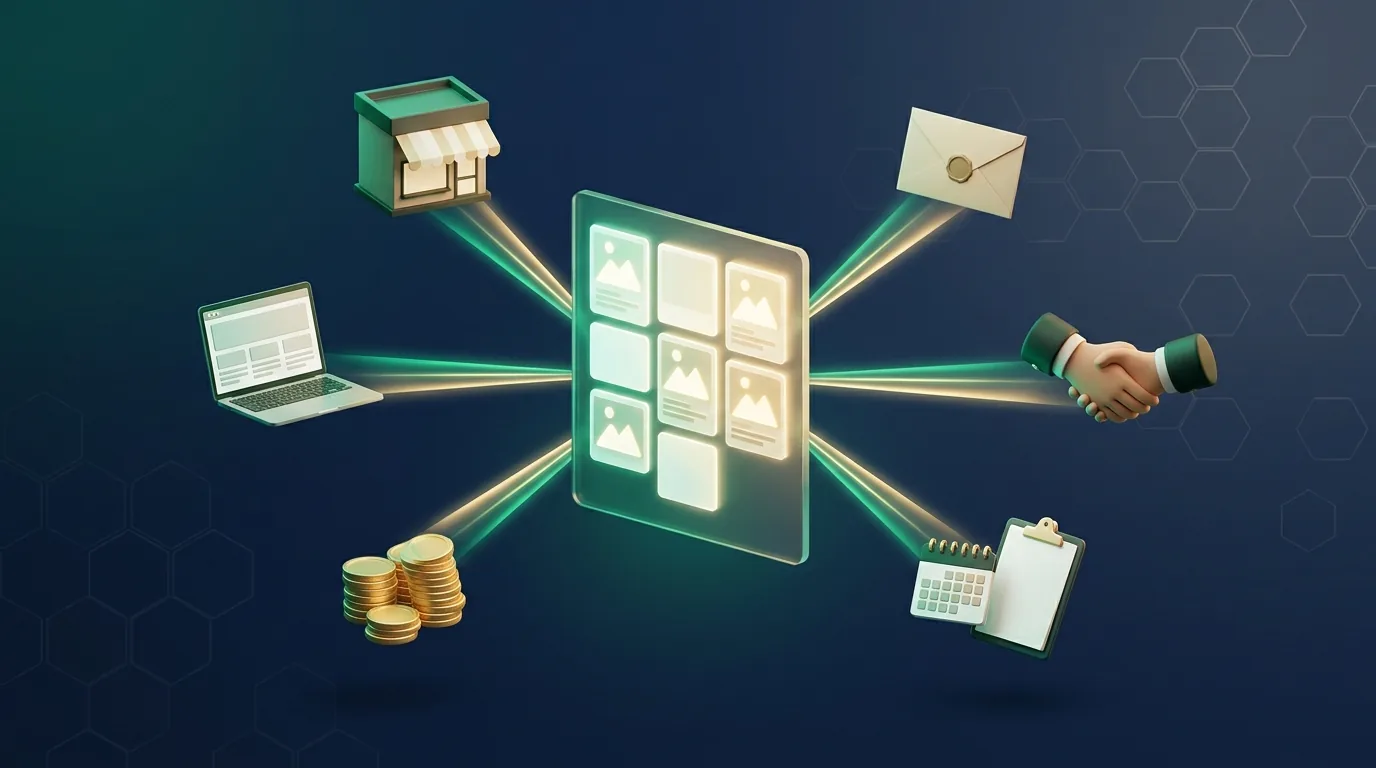
Join an affiliate program, create a unique link for each product, and add it to your Pin as the Pin link, according to Pinterest (July 2025). You earn a commission when someone clicks and buys. Pinterest isn’t part of that deal, so your rate depends on the program’s terms, according to Pinterest.
Follow Pinterest’s affiliate rules: generally run one account, make original Pins that add value, be transparent about your links, and use affiliate links in moderation, according to Pinterest’s Affiliate Guidelines (April 2025). Some link shorteners aren’t supported, so a shortened link can get blocked.
2. Sell your own products or services
If you sell physical or digital products, link your Pins straight to the product page. Product tags let you tag several items in one Pin, and they appear in the “Shop the Look” section below it, according to Pinterest (July 2025). To add one, create a Pin, select “tag products,” then search for the item or paste a link.
If you’re starting from zero, my guide on how to start an Etsy shop covers setup and fees. My list of the best digital products to sell online has ideas you can make once and sell again and again.
Sell services instead? Link your Pins to a booking or contact page for things like coaching or consulting, the same way you’d link a product page.
3. Send traffic to a blog that earns from ads
Pinterest can send traffic to a blog that earns from display ads. Getting more visits to monetized pages “can help increase how much you earn,” according to Pinterest (July 2025). Pinterest recommends that every Pin link to a web destination you choose.
Not sure what to blog about? My guide to the types of blogs that make money covers the options, and my roundup of AdSense alternatives covers ad networks beyond Google.
4. Grow an email list
Instead of sending Pins to a sales page, send them to a free resource, like a checklist or template, that people get by signing up with their email. Pinterest suggests driving Pins to pages like subscriptions and sign-ups to help increase conversions, according to its guide (July 2025). Once someone subscribes, you can offer them a paid product later.
5. Partner with brands
Brands can pay you to feature their products in your Pins. You tag the brand with Pinterest’s paid partnership tool, which requires a free business profile, according to Pinterest (July 2025). You set payment terms directly with the brand, since Pinterest isn’t involved in payment, according to Pinterest.
How to land a deal: Pinterest suggests building a media kit with your profile, key metrics, and sample content, then pitching brands that fit your content, according to its creator guide. A brand can also promote your partnership Pin as an Idea ad, putting it in front of more people.
Disclose every paid partnership: use the paid partnership label or #ad, as Pinterest’s Paid Partnership Guidelines (April 2025) require.
6. Become a Pinterest manager
If you learn how Pinterest works, you can sell that skill. Pinterest managers handle boards, Pin design, and scheduling for business owners who don’t have time to run their own accounts. It’s service work, so you earn from clients instead of your own audience.
Picking a method is the easy part. The harder part is turning clicks into income, and that’s where I got stuck.
Why Pinterest Traffic Doesn’t Always Turn Into Income
Traffic only pays when it lands on a page that earns, and a click doesn’t guarantee a sale. Pinterest’s own advice is to work out which pages will drive the most value, then create Pins that complement and link to them, according to its guide (July 2025). Clicks to the wrong page can leave you with visitors and no income.

I saw the visitors-and-no-income side of that myself. From 2022 to 2023, my Pins sent traffic to an earlier blog of mine with affiliate links, but I never earned a commission from it.
I stopped because Pinterest wasn’t my main focus, the affiliate sales weren’t coming, and I didn’t fully understand how Pinterest worked at the time. If you’re starting now, learn the basics below before you judge your results.
Watch outbound clicks, not just impressions: business accounts show saves, impressions, Pin clicks, and outbound clicks, according to Pinterest. Outbound clicks count how often people leave Pinterest for your destination, which is where the money is made.
Now for the setup. These five steps take you from a blank account to Pins that can earn.
How to Start Making Money on Pinterest
To start making money on Pinterest, switch to a free business account, claim your website, use the words people search for, create Pins that earn saves and link to pages that pay, and post consistently. A business account also unlocks Pin stats, which you need to see what’s actually working, according to Pinterest (November 2026).
Step 1: Switch to a free business account
You need a business profile for Pin stats and for the paid partnership tool, and it’s free, according to Pinterest (July 2025).
Step 2: Claim your website
Claiming your website links your Pinterest profile to any Pins saved from your site, so your profile picture and an option to follow you appear alongside them, according to Pinterest’s Help Center (November 2026). It also shows you how often your content is shared on Pinterest.
You can claim a site with an HTML tag, an HTML file, a DNS TXT record, or Google Merchant Center for some accounts. You have to own the domain and be able to edit its code, so most Etsy, eBay, and Amazon shops can’t be claimed, according to Pinterest.
Step 3: Use the words people search for
Pins show up in Pinterest search, so use clear, descriptive words in your profile, board names, and Pin titles. Write them the way someone would type the idea into Pinterest’s search bar.
Step 4: Create Pins that earn saves and clicks
When people save your Pin, Pinterest shows them more of your content, according to Pinterest. Pinterest suggests reminding people to save your Pin, and every Pin should link to a page that earns.
Step 5: Post consistently with a scheduler
A scheduler makes consistency easier. Personally tested: I used Tailwind to schedule my Pins from 2022 to 2023, and it was easy to use and reliable for posting.
Tailwind’s pricing page says you can “Start free — upgrade when you’re ready,” and its plans are priced per Pinterest account, according to Tailwind (November 2026). My experience is from a few years ago, so check today’s features before you buy.
| Tailwind plan | Billed monthly | Billed annually (per month) |
| Pin Scheduling & Creation | $29.99 | $17.99 |
| Pinterest SEO | $14.99 | $11.99 |
| Pinterest Engagement | $14.99 | $11.99 |
| All three (bundle) | $44.98 | $29.98 |
Source: Tailwind plans and pricing, checked November 18, 2026.
There’s one more option, and it’s the only one where the money comes from Pinterest itself.
The Pinterest Inclusion Fund: The One Way Pinterest Pays Creators
The Pinterest Inclusion Fund is an incubator program that gives selected emerging creators personalized education, time with Pinterest and industry experts, and financial support to fuel content creation, according to Pinterest (November 2026). It’s now in its sixth year. Applying doesn’t guarantee a spot, so treat it as a bonus, not a plan.
Who can apply, according to Pinterest:
- Legal US residents (50 states and D.C.), 18 or older
- Active creators on at least two other social media platforms
- Creators in fashion, beauty, or lifestyle, including home, travel, gaming, and tech
- Creators whose content supports Pinterest’s inclusive tools, like skin tone or body type ranges
- People who can commit to office hours and program sessions
Check Pinterest’s page for the current application period before you plan around it.
Frequently Asked Questions
Can you earn money from Pinterest?
Yes, but not from Pinterest itself. You earn through what your Pins lead to: affiliate commissions, sales of your own products, ad revenue on your blog, or brand partnerships. Pinterest says affiliate commissions depend on the terms you set up with merchants or programs, according to its creator guide (November 2026).
How many followers do you need to get paid on Pinterest?
Pinterest’s creator pages don’t list a follower minimum for affiliate links, product tags, or the paid partnership tool. You do need a free business profile for paid partnerships, according to Pinterest (July 2025). For brand deals, Pinterest suggests a media kit with your key metrics, so your Pin performance counts, not just your follower count.
How do you sell on Pinterest as a beginner?
Start with a free business account, then create Pins that link straight to your product pages. Add product tags so people can shop the items in your Pins from the “Shop the Look” section, according to Pinterest (July 2025). If you don’t have a store yet, an Etsy shop is a simple place to start.
Does Pinterest pay you for views?
No, none of the ways Pinterest lists for making money pay you for views. Affiliate links, product tags, and brand partnerships all pay through merchants or brands, according to Pinterest (July 2025). The Pinterest Inclusion Fund is the exception, and it gives financial support only to creators Pinterest selects for the program.
The Bottom Line
Making money on Pinterest comes down to where your Pins send people. Pick one way to start, like affiliate links or your own products, and send every Pin to a page built to earn.
Track outbound clicks, not just views, and give it time before you judge the results. If Pinterest is one income stream among several, my guide to the best ways to make money online covers more options.
Sources
Pinterest Create: How to make money on Pinterest, July 28, 2025 (checked November 18, 2026)
Pinterest Create: How to grow and succeed on Pinterest (checked November 18, 2026)
Pinterest Create: Pinterest Inclusion Fund (checked November 18, 2026)
Pinterest Help Center: Claim your website (checked November 18, 2026)

Recent Posts
Monday.com Review 2026: Is It Still the Best Work OS?
I tested Monday.com against ClickUp, Asana, and Wr...
Updated July 27, 2026
AI Writing Software for Blogging in 2026: Best Tools + How to Stay AI-Search Vis...
The best AI writing software for blogging in 2026 ...
Updated July 20, 2026
HubSpot Review 2026: Is It Worth the Cost?
I tested HubSpot’s free CRM, Starter, and Pr...
Updated July 20, 2026
Teamwork.com Review 2026: Is It the Best PM Tool for Client Work?
I tested Teamwork.com for agency and client projec...
Updated May 29, 2026
Wrike Review 2026: Is It Worth the Cost?
I tested Wrike in real enterprise workflows. Here&...
Updated May 29, 2026
Asana Review 2026: Is It Worth It? (Honest, In-Depth Analysis)
I tested Asana across real team workflows. Here...
Updated May 29, 2026
Newsletter
Don't miss a thing!
Sign up to receive daily news